Configuring External SPI RAM on ESP32 for Buffering Large Sensor Datasets in Arduino
A stable 1 kHz sensor log demands PSRAM—discover how external SPI RAM buffers prevent data loss during SD writes.
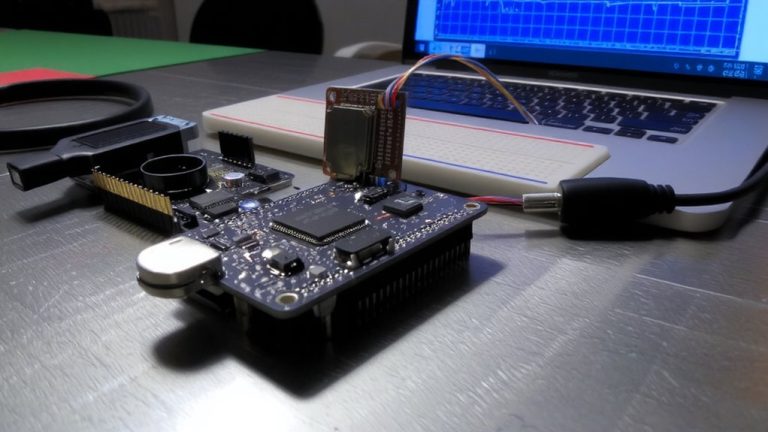
A stable 1 kHz sensor log demands PSRAM—discover how external SPI RAM buffers prevent data loss during SD writes.
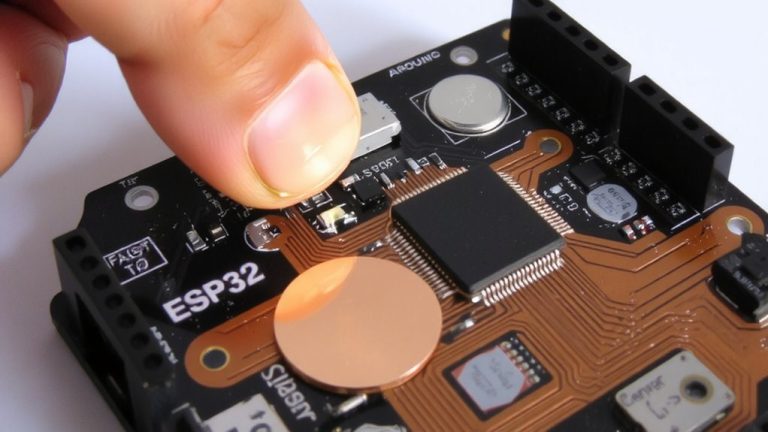
No wires, no buttons—just tap a hidden foil pad to wake your ESP32 and control any project with touch; discover how to build and fine-tune the circuit now.
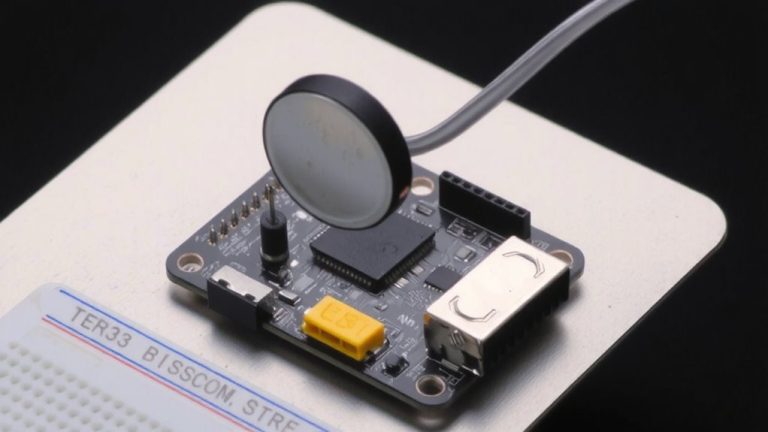
A simple Arduino sketch reveals hidden ESP32 health clues through Hall sensor and temperature shifts—what your microcontroller isn’t telling you might surprise you.
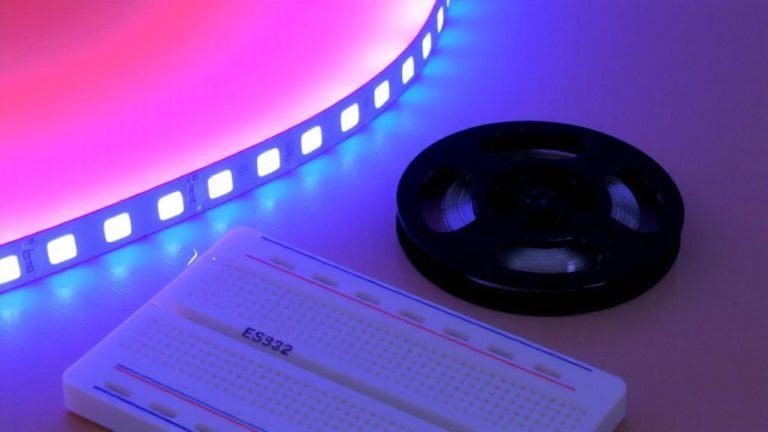
I control WS2812B LEDs with pixel-perfect timing on ESP32—discover how RMT eliminates jitter even during WiFi spikes.
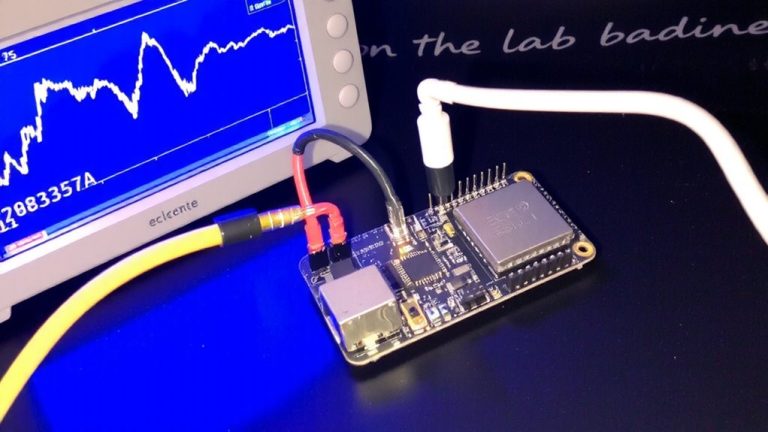
By tapping into I²S audio with an INMP441 on your ESP32, you can capture studio-quality sound—discover how to transform raw data into precise, real-time sound level analysis.
Tiny but tough, this logger uses FRAM’s 100 trillion write cycles to outlive EEPROM—discover how to build it right.
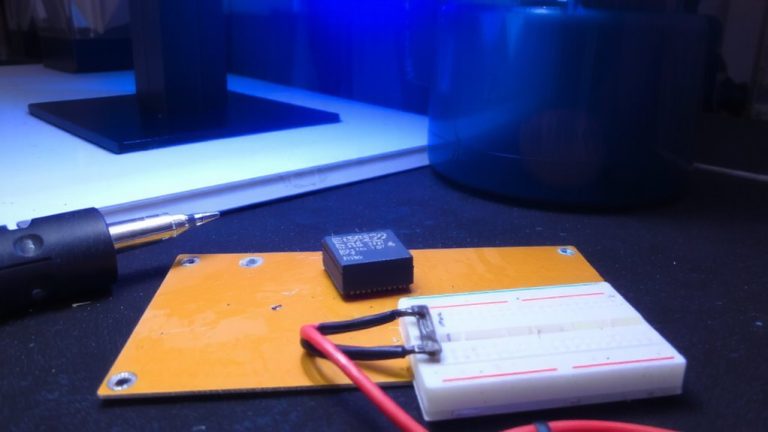
One tiny 7×7 mm package holds dual cores, Wi-Fi, Bluetooth, and Arduino compatibility—discover how to build smarter with minimal components.
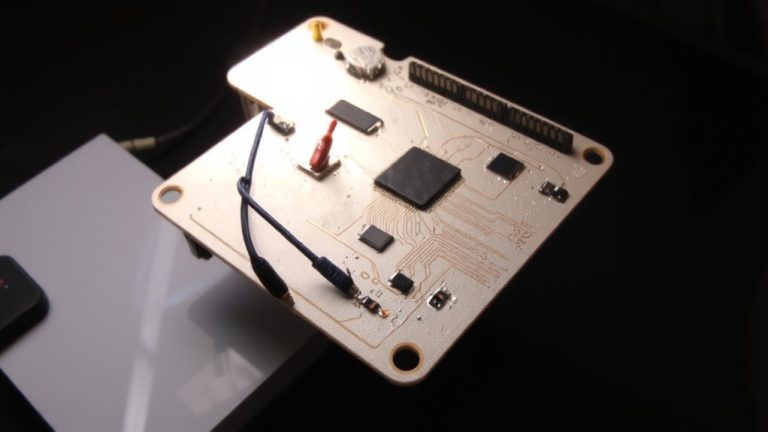
Getting started with voice recognition on ESP32-S3 using Arduino—discover how to deploy AI at the edge with low latency and high accuracy.
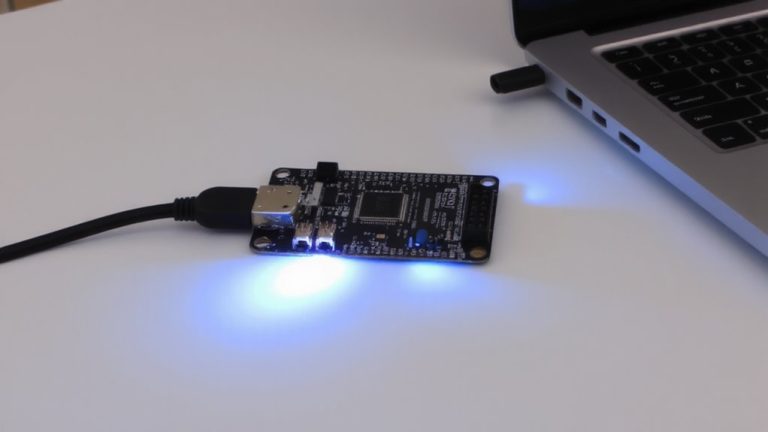
Native USB OTG on ESP32-S2 slashes costs and boosts speed—discover how skipping external chips unlocks seamless 12 Mbps communication.
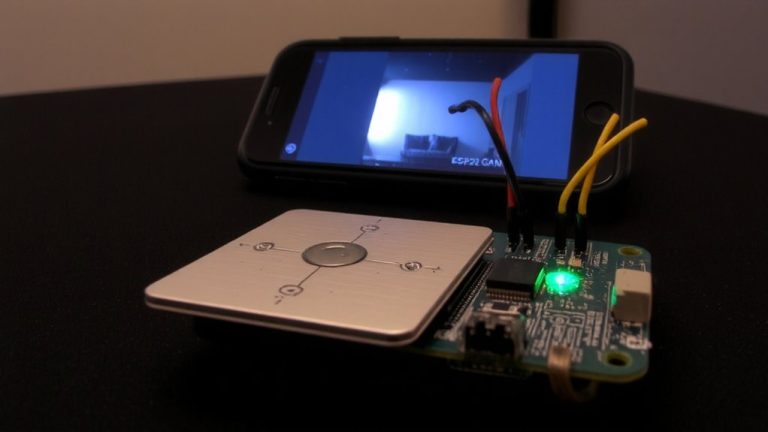
No power, no pictures—discover how a single capacitor and clever wiring unlock flawless motion-triggered snapshots from your ESP32-CAM.