How to Reduce Interrupt Overhead With Edge Detection in C on Arduino
Cut interrupt latency dramatically by bypassing digitalWrite—discover how direct port manipulation and naked ISRs unlock microsecond precision in edge detection.
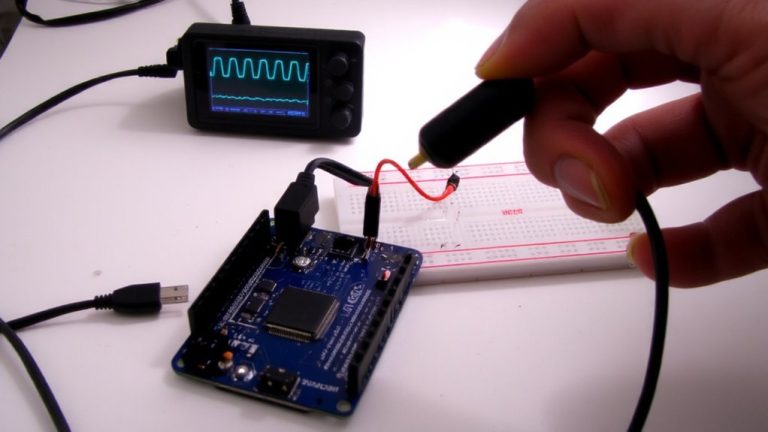
Cut interrupt latency dramatically by bypassing digitalWrite—discover how direct port manipulation and naked ISRs unlock microsecond precision in edge detection.
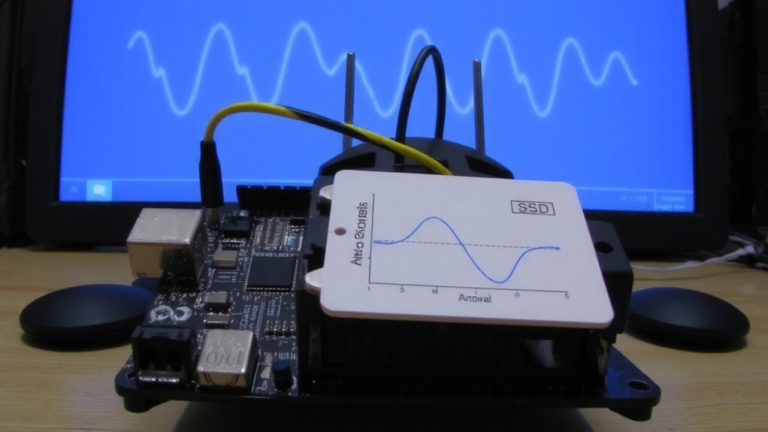
Use 256-byte flash tables to slash motor lag—see how precomputed sines unlock jitter-free control at 50kHz.
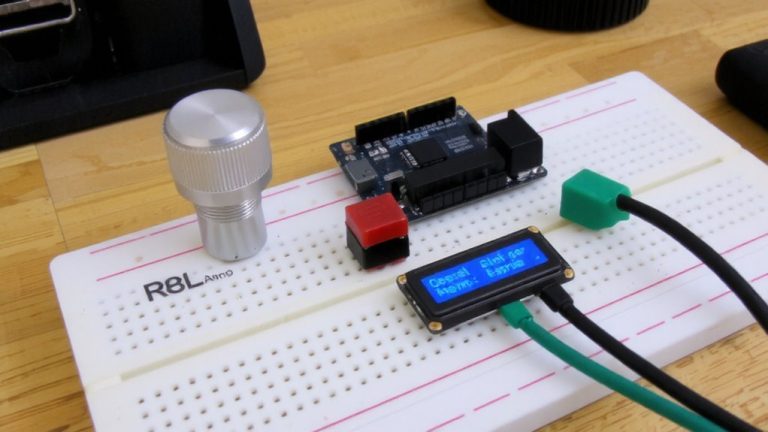
Nimble navigation meets precision control—discover how to build a responsive, non-blocking menu system on Arduino using encoder input, where every turn counts.
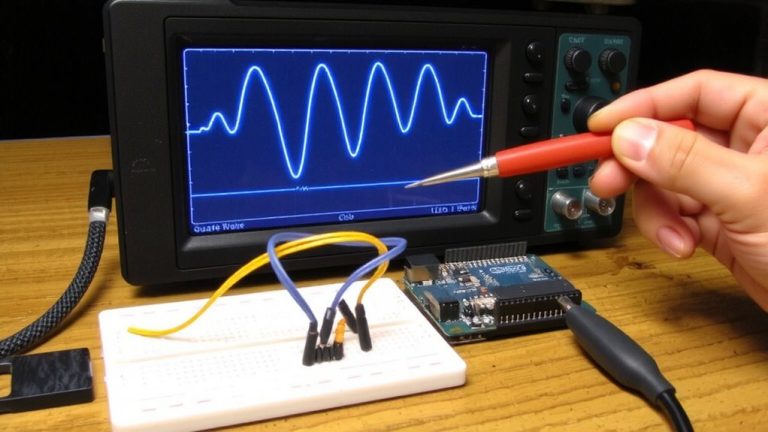
See how a spare Arduino pin and oscilloscope reveal hidden timing glitches in your code—what you discover might surprise you.
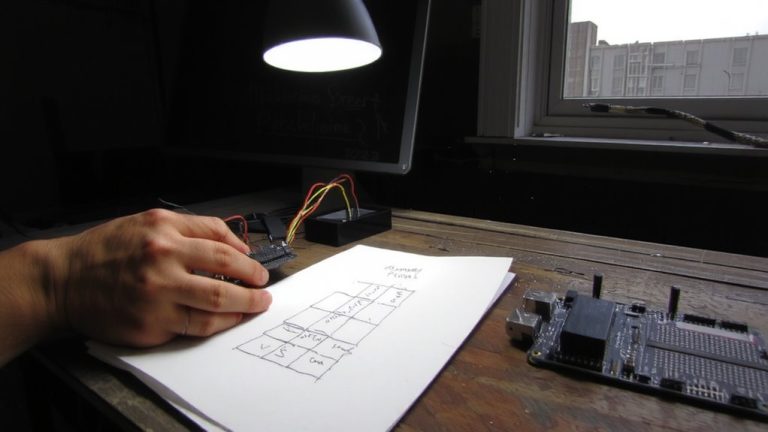
Fragmentation doomed your last Arduino project—discover how fixed-block memory pools deliver lightning-fast, crash-free allocations that malloc can’t match.
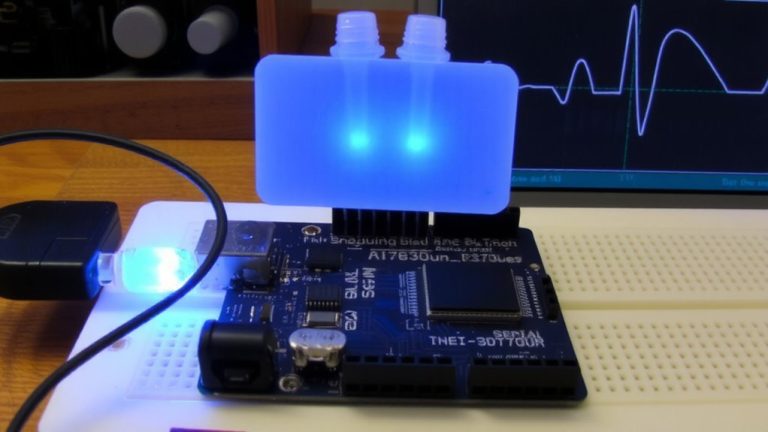
Getting every UART byte at 115200 bps demands a clever double-buffered DMA trick on the Arduino Due—see how it stops data loss forever.
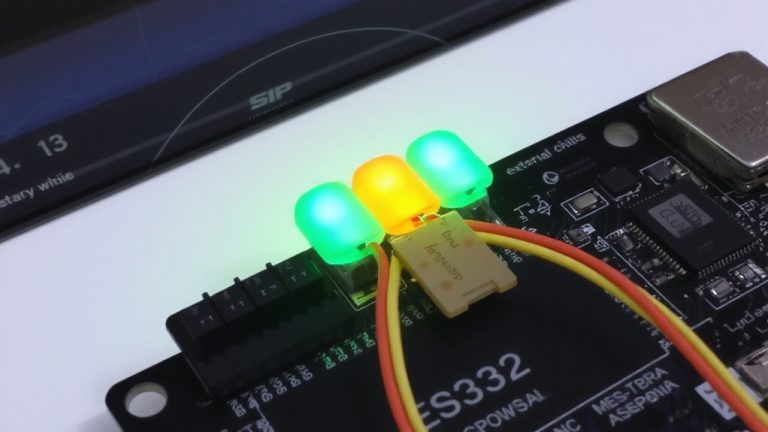
Use dual DMA buffers with I2S0 on ESP32 to achieve flawless 50 kSPS ADC sampling—discover how to eliminate dropouts and maintain precision for hours.
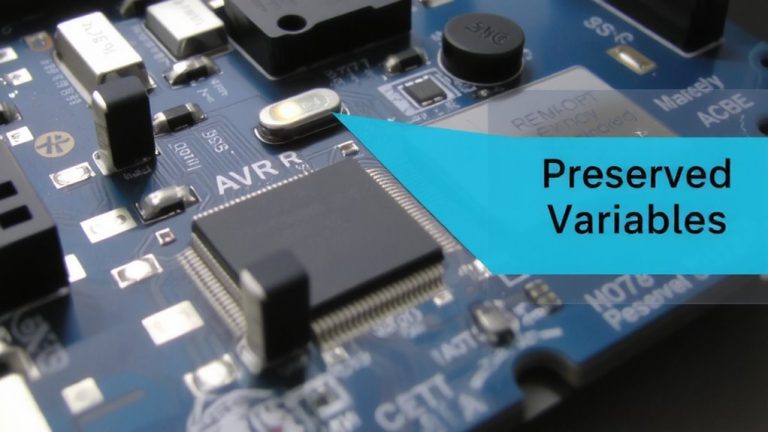
No magic required—discover how a single attribute can keep your variables alive through resets, and why what happens next could save your project’s state forever.
I unlocked 20% faster Arduino code with one hidden compiler flag—discover how to optimize every byte without breaking your sketch on the next update.
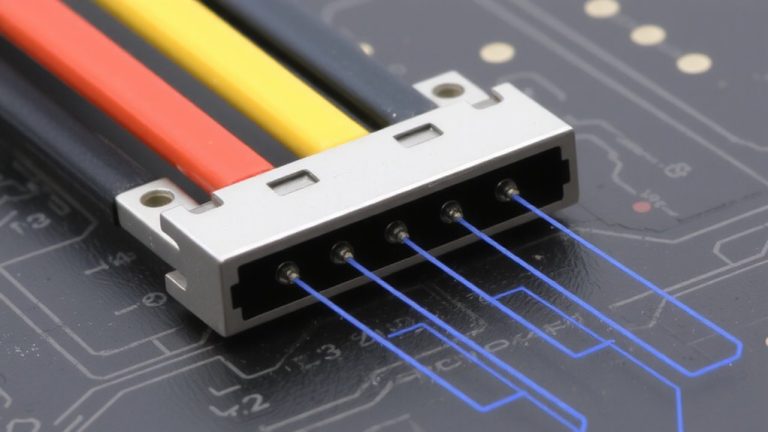
Mastering microcontroller timing means ditching slow digitalRead()—discover how direct port access captures pin states in one cycle, preventing critical data loss.