How to Profile CPU Usage on ESP32 With Freertos Task Status Functions
I uncovered how to profile ESP32 CPU usage with FreeRTOS—and what I found revealed hidden inefficiencies that could save your project.
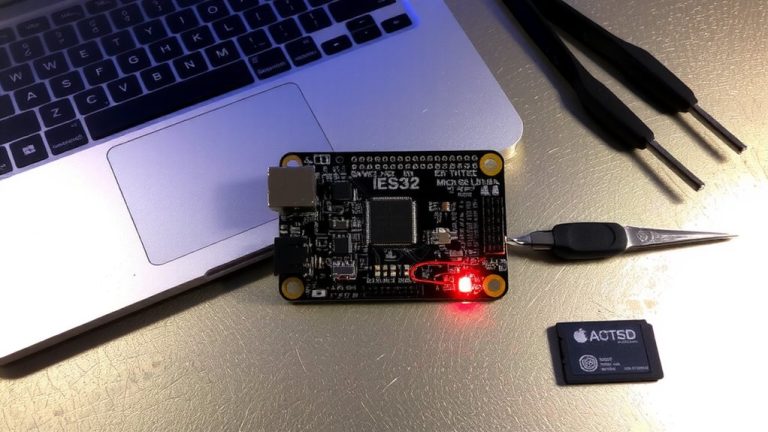
I uncovered how to profile ESP32 CPU usage with FreeRTOS—and what I found revealed hidden inefficiencies that could save your project.
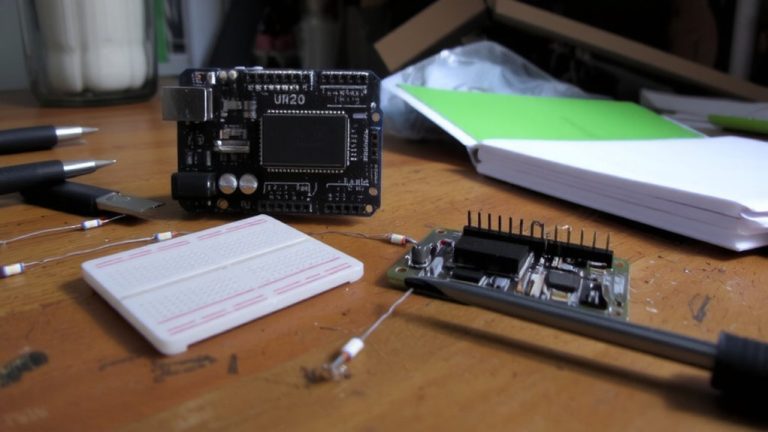
Don’t let STL bloat eat your Arduino’s flash—discover how dumping vectors saves bytes and unlocks tiny chip potential.
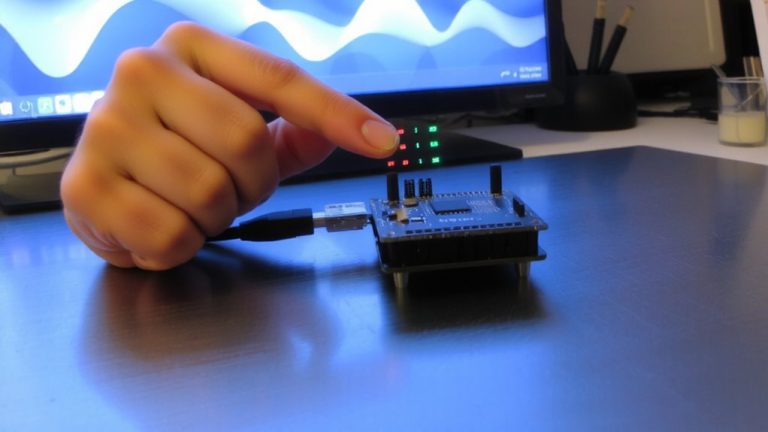
Learn how compiler intrinsics like __builtin_popcount slash execution time—discover the trick that turns slow pin toggles into lightning-fast responses.
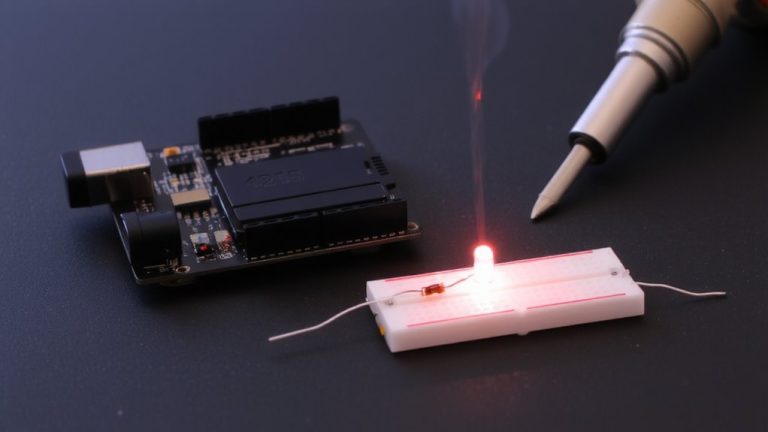
On Arduino pins, a lone LED blinks secrets in binary—discover how pre-coded flashes reveal hidden faults before they spiral out of control.
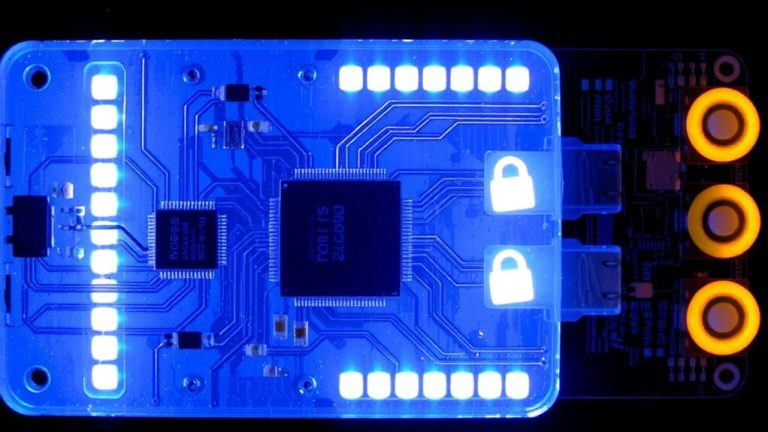
Maintain real-time data accuracy across tasks with microsecond-fast queue overwrites—discover how to synchronize cores without corruption.
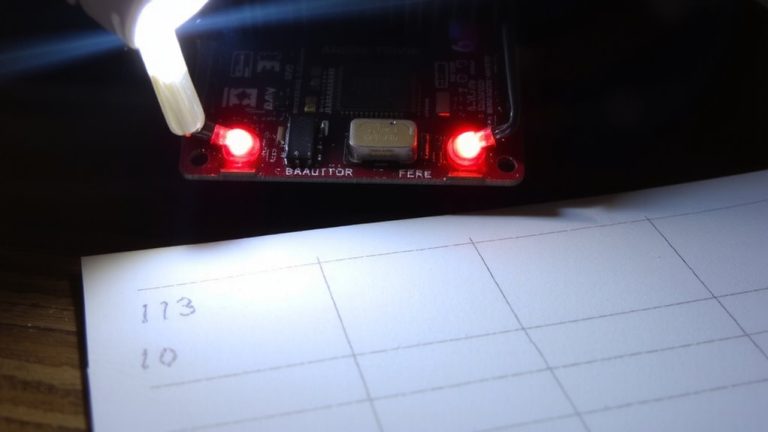
Just how much SRAM can you save by packing Arduino flags into a single byte? The answer might revolutionize your next project.
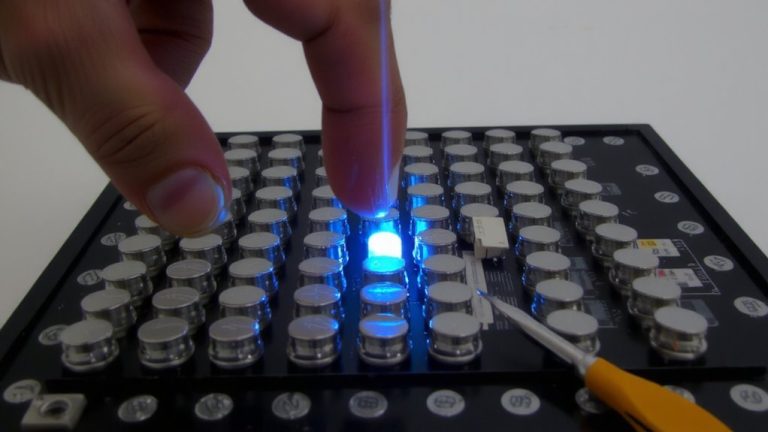
Binary search hits a wall with clustered sensor data—here’s how a tiny 16-bit key cuts lookup time by 70% and changes everything.
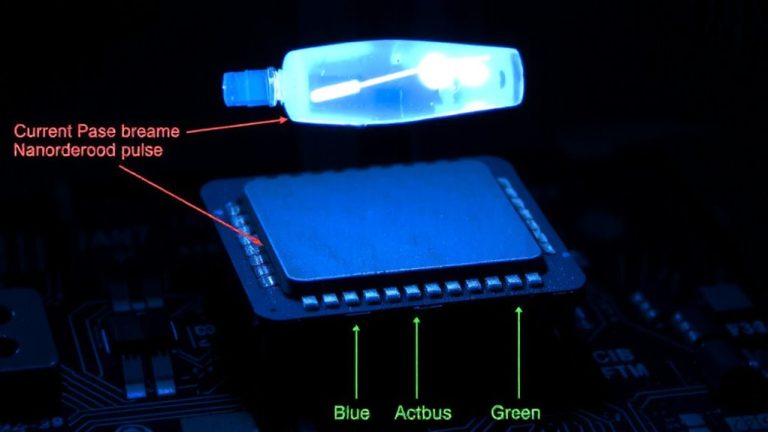
By leveraging assembly labels, you can unlock cycle-accurate timing—but the real precision lies just beyond what you see.
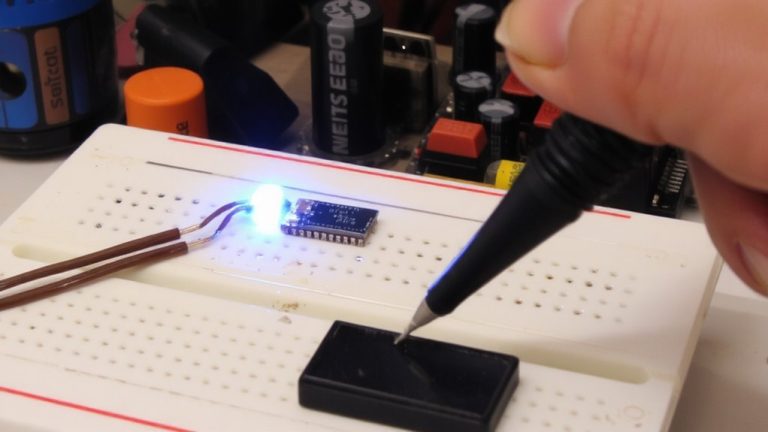
Never let delays freeze your Arduino—discover how to run seamless multitasking with minimal overhead and what comes next will change everything.
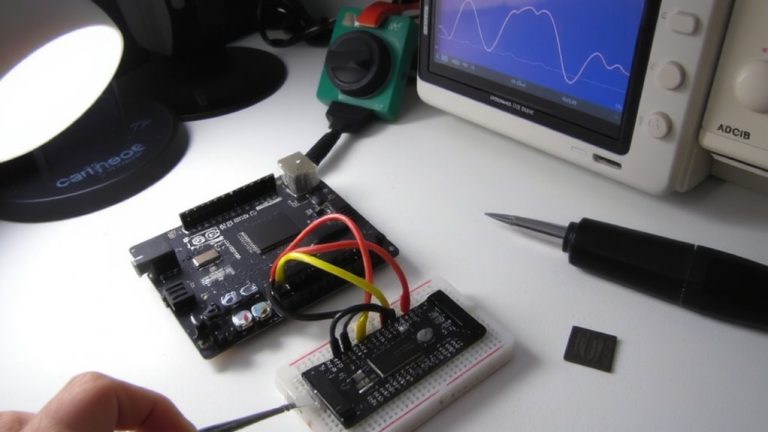
Craft resilient sensor readings with compact CRC checks—discover how a 30µs bit-by-bit trick slashes errors and saves memory.