Optimizing Memory Layout of Global Variables in Arduino Sketches
A simple tweak to global variable types and string storage slashes RAM use—discover how freeing just a few bytes unlocks rock-solid Arduino performance.
A simple tweak to global variable types and string storage slashes RAM use—discover how freeing just a few bytes unlocks rock-solid Arduino performance.
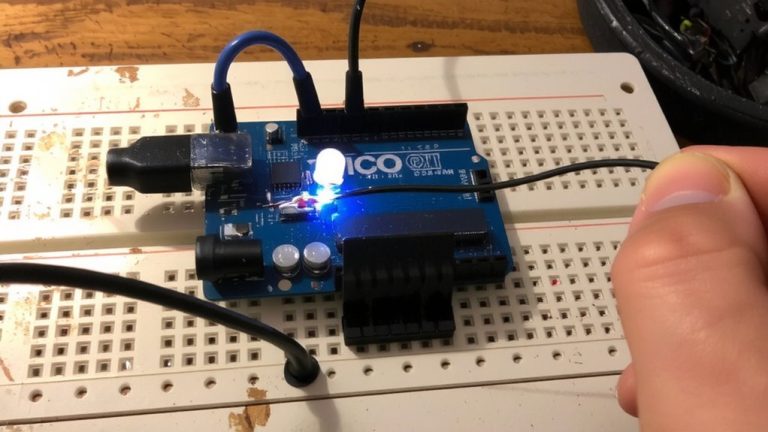
Patience pays off when you learn how to replace delay() with millis()—discover the secret to flawless, responsive Arduino timing that never misses a beat.
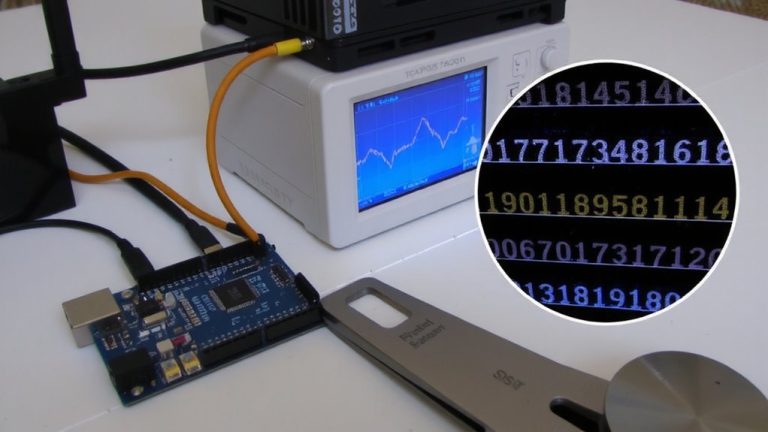
Use bit shifts and SIMD tricks to crush float-to-int lag—there’s a faster way hidden in plain sight.

A simple trick slashes flash bloat and unlocks hidden memory—discover how to make your Arduino project leaner than ever.
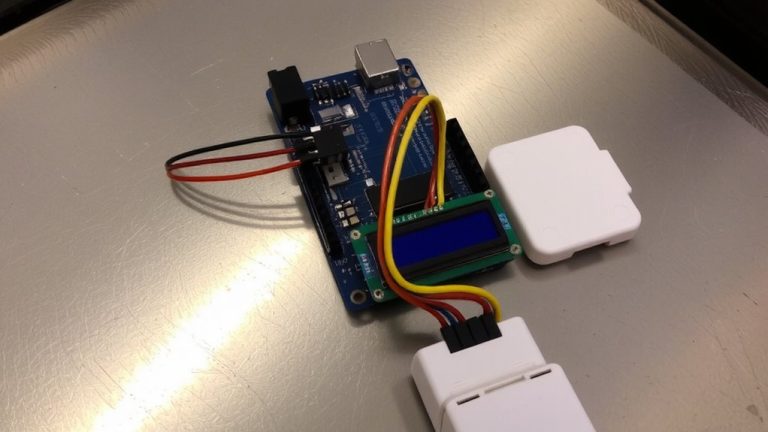
Getting multiple I2C devices to play nice on Arduino starts with smart address management—here’s how to scale without the clash.

When every byte matters, discover how offsetof() reveals hidden padding—and a simple reordering trick that slashes memory use by 33%. The key lies in understanding how compilers align data.
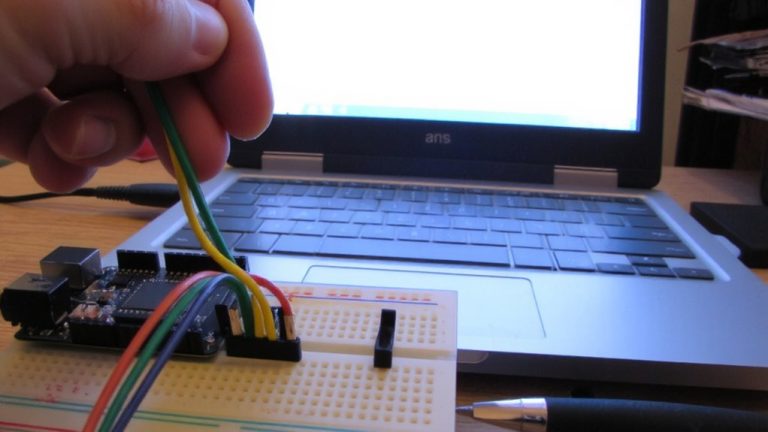
To reliably parse Arduino serial commands like R450 without blocking, use finite states—here’s how to build a responsive parser that never misses a beat.
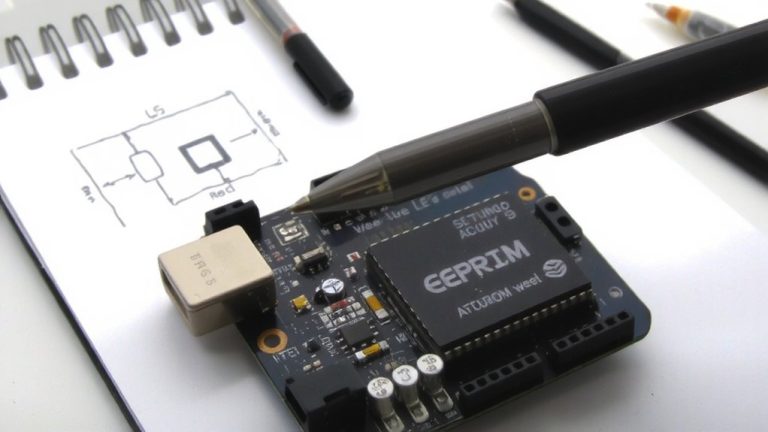
By spreading writes across all EEPROM memory, you can drastically extend its lifespan—discover how to implement wear leveling and protect your data for decades.
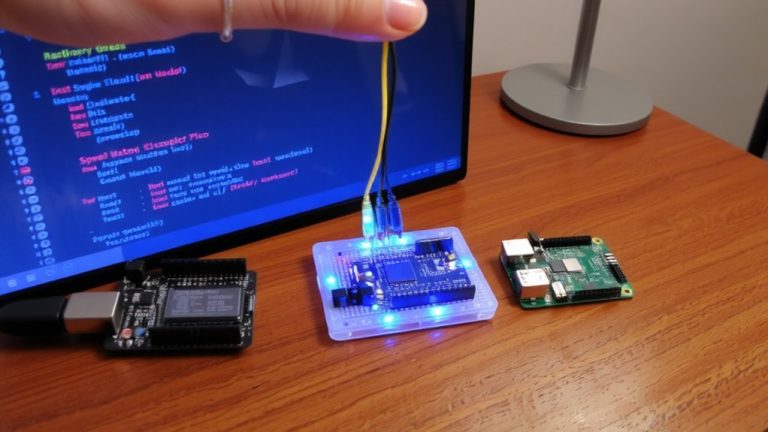
A clever use of function wrappers in C++ can hide hardware complexity—but the real secret to seamless Arduino abstraction lies just beneath the surface.
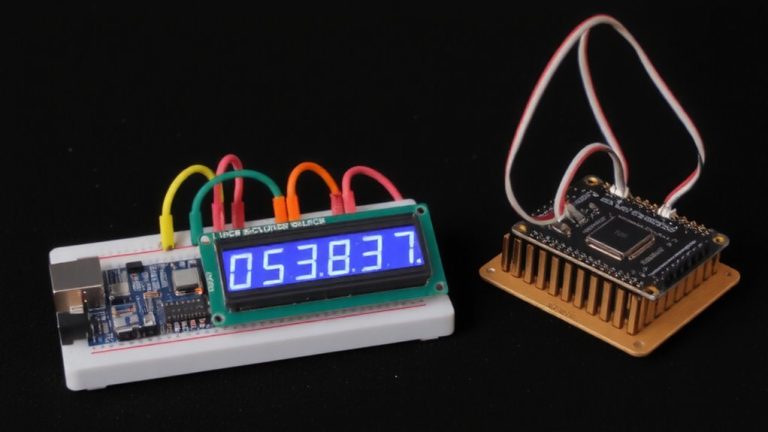
Keep your Arduino time flawless—discover how timer interrupts create a rock-solid real-time clock without drifting.