Implementing a Real-Time Data Logger on Arduino With SD Card and Timer
Discover how to build a reliable Arduino data logger with SD card storage and precise timing—see what critical step ensures years of flawless operation.
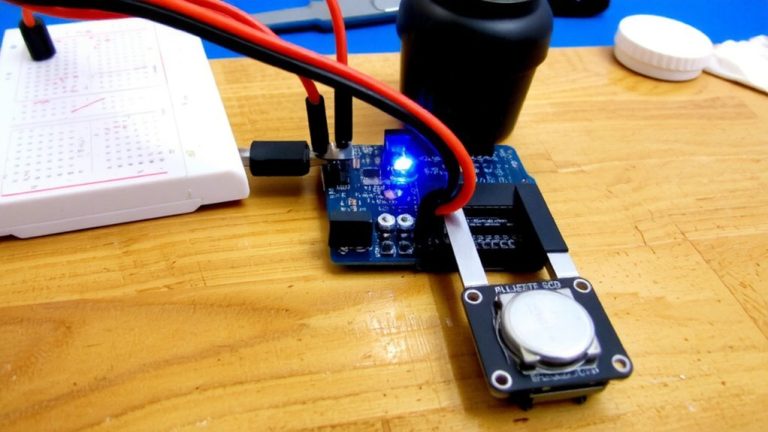
Discover how to build a reliable Arduino data logger with SD card storage and precise timing—see what critical step ensures years of flawless operation.
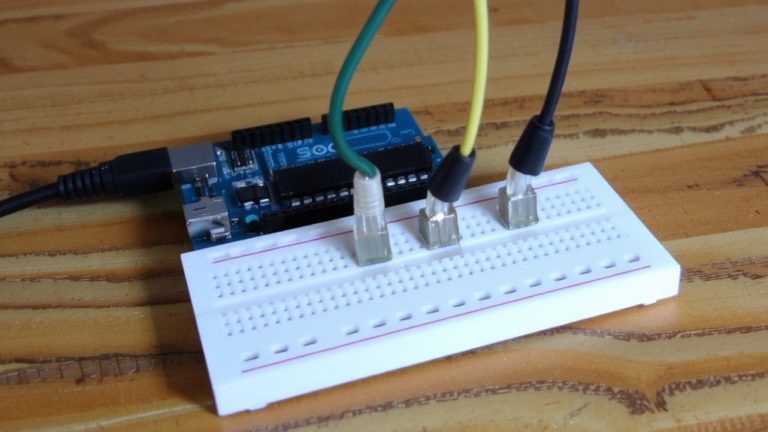
For lightning-fast response to multiple buttons, harness pin change interrupts on Arduino—discover how to capture every press without missing a beat.
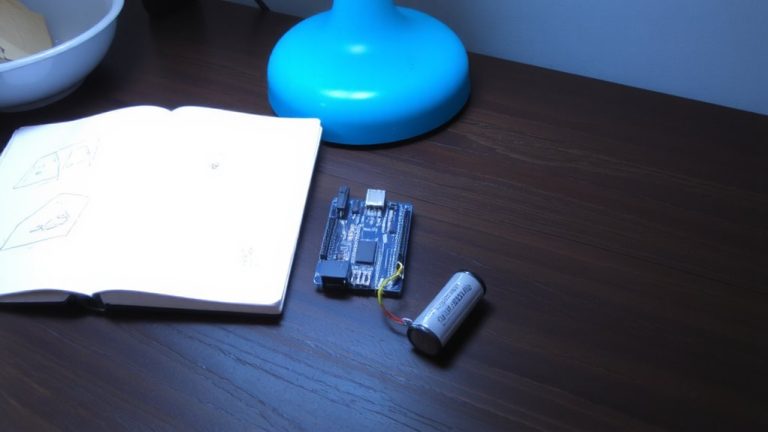
Nearly every Arduino project wastes power—discover the hidden tricks to cut consumption below 0.5μA by mastering sleep modes and component tweaks.
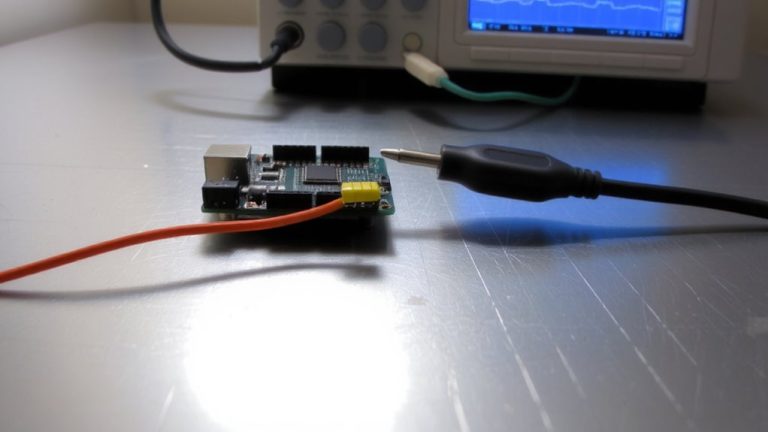
Knowing how to bypass clock stretching issues unlocks blazing-fast I2C speeds—discover the trick that keeps your Arduino slave from stalling the bus.
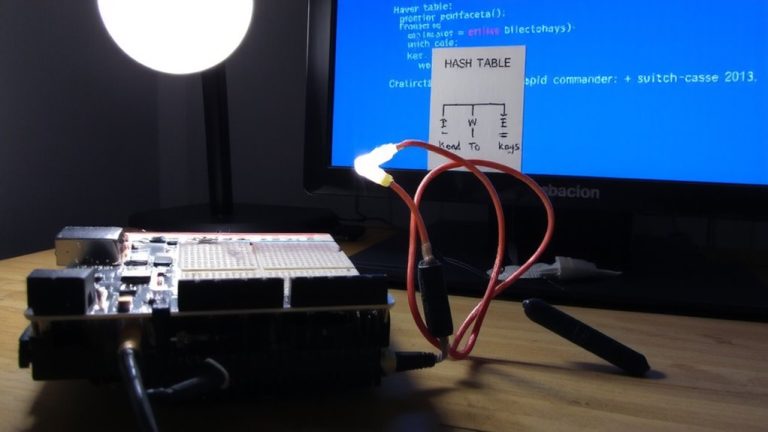
Discover how a simple hash table slashes command lookup time on Arduino—here’s how to build one that outperforms binary search.
How to parse JSON on ESP32 with under 4KB free heap—discover the ArduinoJson v7 trick that cuts memory use by 70% and prevents crashes on large responses.
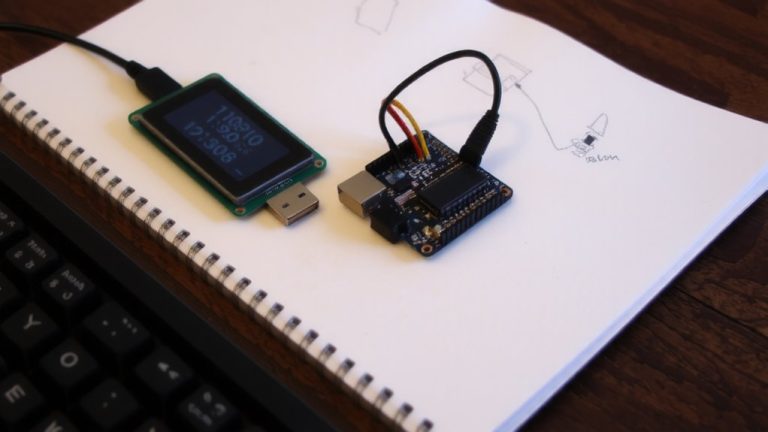
When every byte counts, discover how to build a responsive CLI on an Arduino with minimal memory—yet what hides in the parsing loop could save your next project.
C++ function templates with multiple types let you fuse sensor data flawlessly—but one crucial step prevents runtime chaos on Arduino.
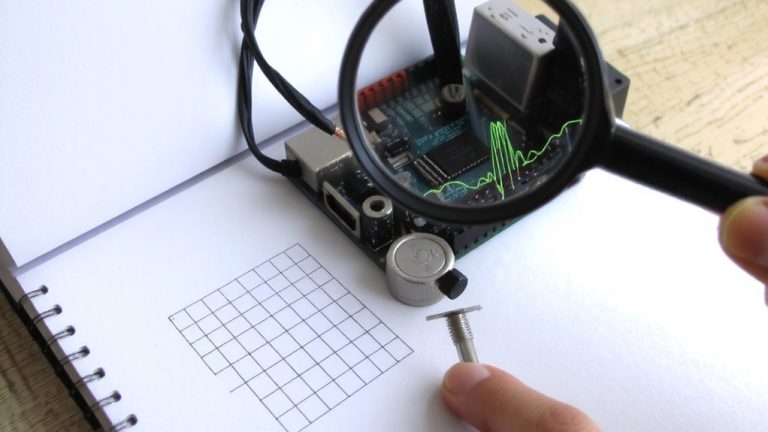
I cut IMU math latency by 96% on Arduino—discover how fixed-point arithmetic and clever optimizations make real-time sensor fusion blazingly fast.
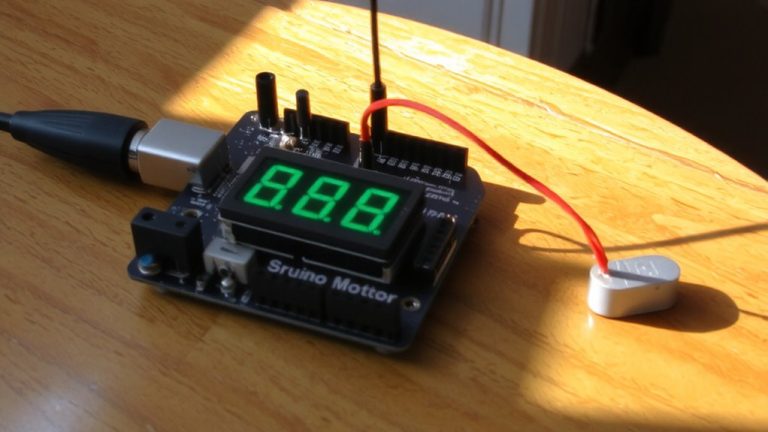
Keep your Arduino’s random numbers fast and flicker-free—here’s how to harness true entropy without slowing down your real-time projects.