Hardening Arduino Web Interfaces Against CSRF and XSS Attacks With Token Validation and Sanitization
One overlooked step leaves your Arduino exposed—discover how token validation and sanitization block attacks before they strike.
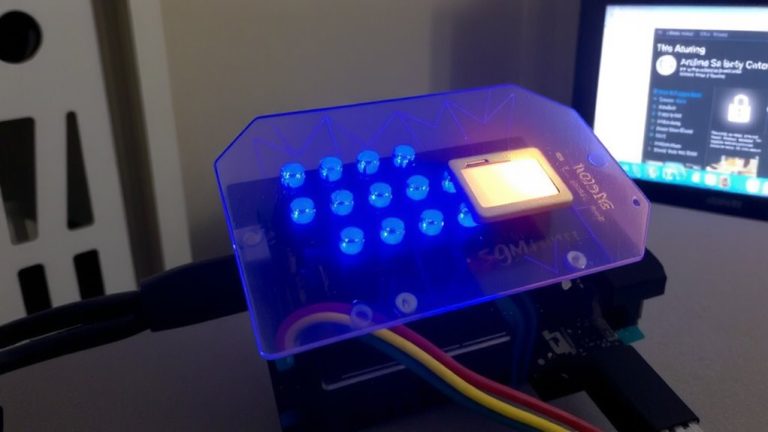
One overlooked step leaves your Arduino exposed—discover how token validation and sanitization block attacks before they strike.
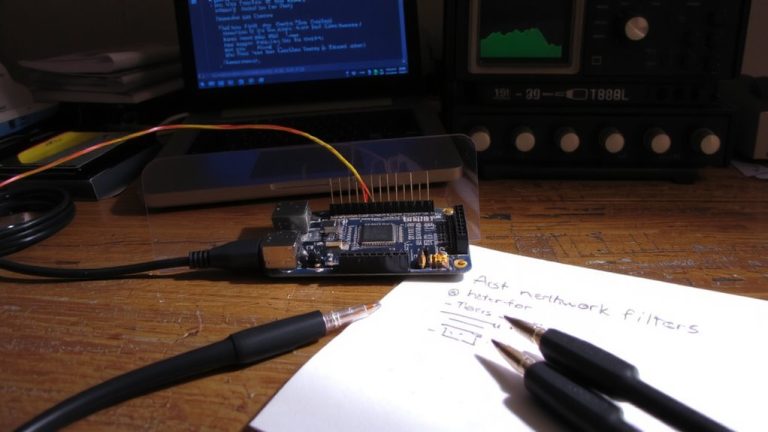
Using lwIP’s data link layer, uncover how to build a firewall on ESP32 that stops threats before they reach the IP stack.
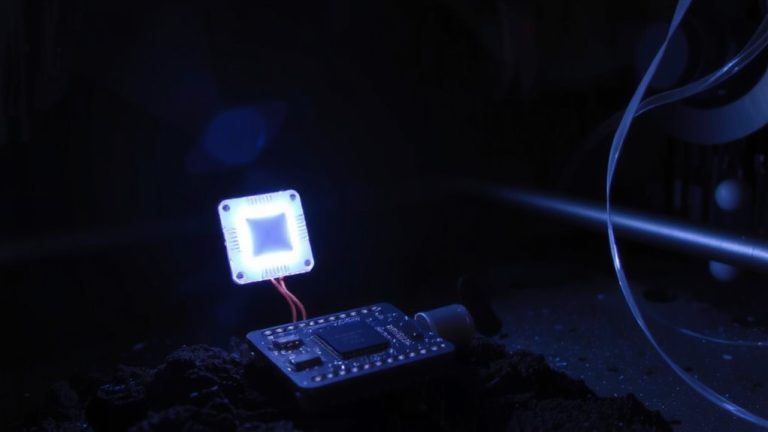
Using ECC with 256-bit Binary Edwards Curves, ultra-low-power sensors gain unbreakable identity in under 1,400 FPGA slices—discover how your next build can do more with less.
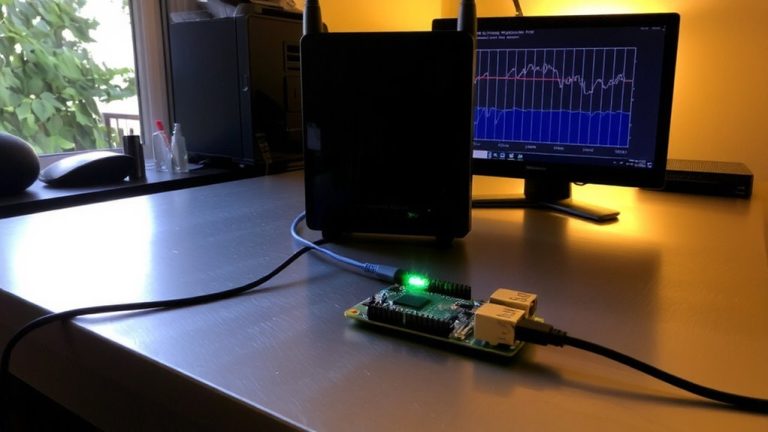
Connecting your IoT devices through a Pi-Hole DNS server reveals hidden tracking—but can you truly control what they’re secretly phoning home to? The answer lies in how you configure DHCP and traffic interception.
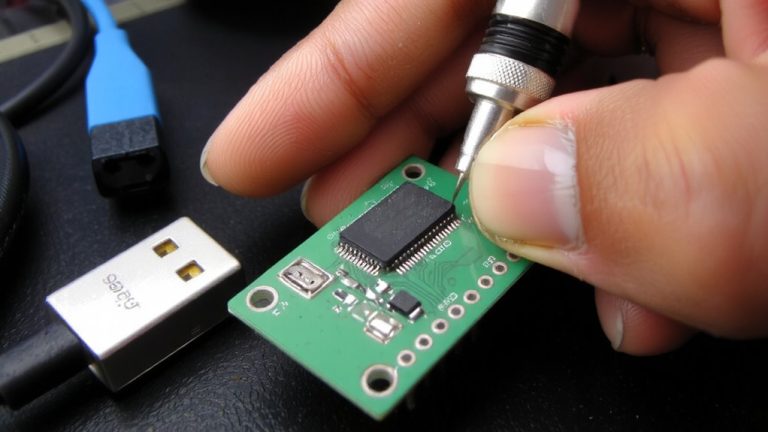
I secured my Arduino-compatible MCU with a tamper-proof bootloader—discover how to prevent unauthorized firmware flashing and ensure only trusted updates run.
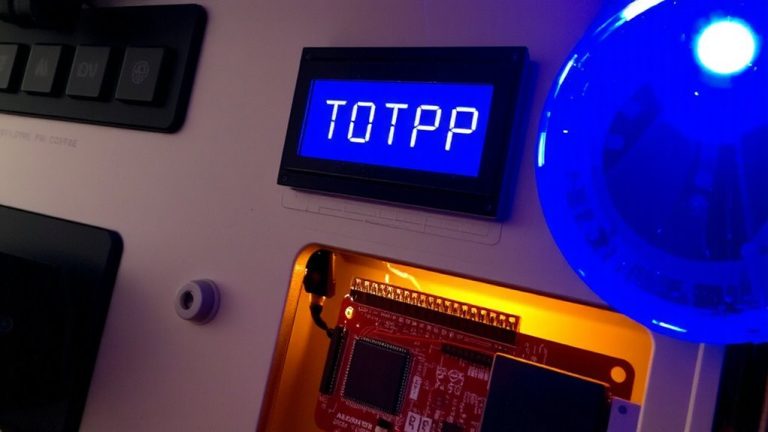
Just imagine unlocking your smart home with a flicker of light and a code that changes every 30 seconds—here’s how it works.
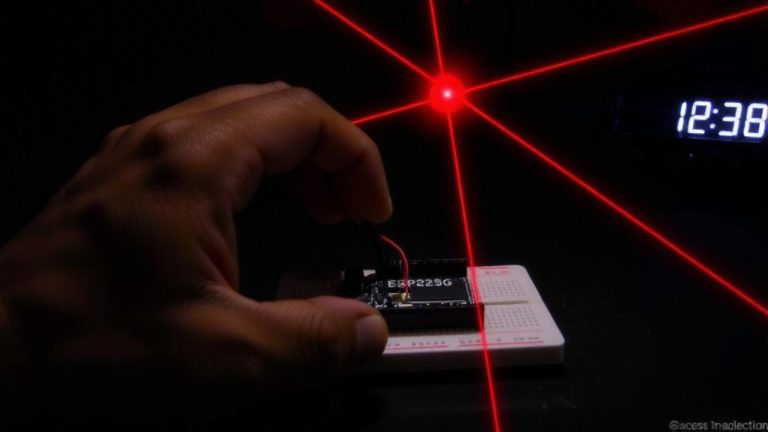
Only five login attempts per minute per IP—discover how lightweight in-memory tracking thwarts brute-force attacks on ESP8266 without breaking a sweat.
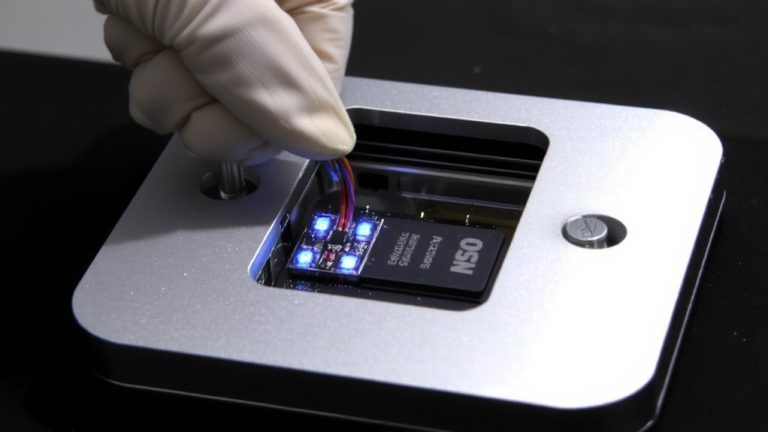
How a $2 switch and an ESP32 can catch intruders red-handed—before they compromise your entire network.
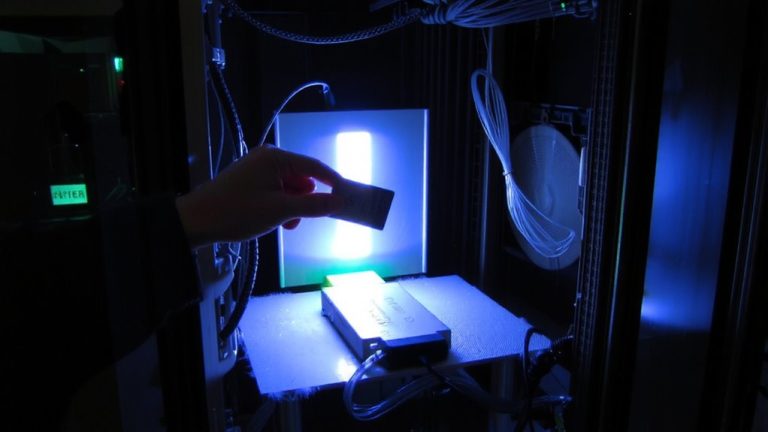
No IoT gateway is truly secure until it enforces client certificate authentication—see how we implemented mTLS with automated certificate rotation.
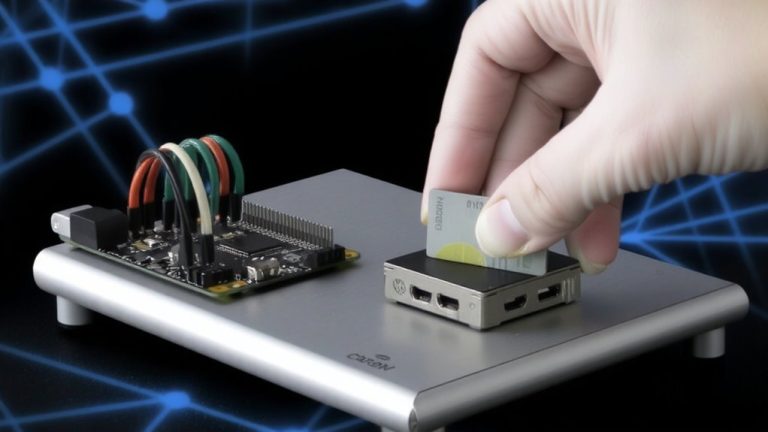
A single chip can safeguard your IoT keys from physical attacks—discover how integrating an HSM with Arduino prevents cloning and secures communication at scale.