Building a Network Traffic Shaper for IoT Devices to Limit Bandwidth and Prevent DDoS Risks
Use traffic shaping to curb IoT bandwidth and stop DDoS attacks—see how one simple rule can silence a botnet storm.
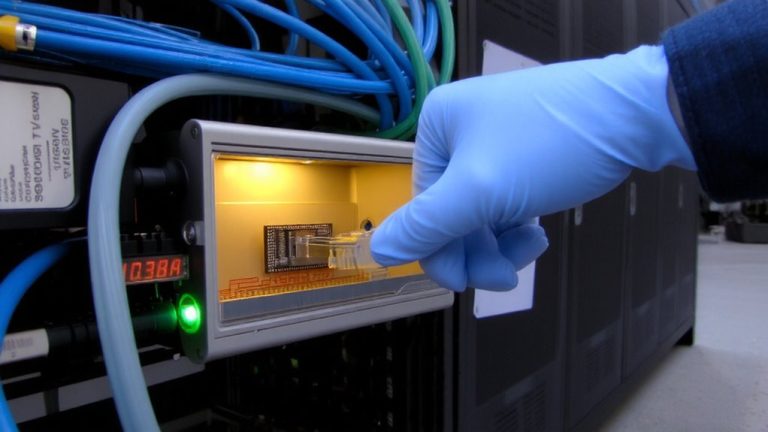
Use traffic shaping to curb IoT bandwidth and stop DDoS attacks—see how one simple rule can silence a botnet storm.

Get ahead of hackers by signing Arduino firmware—but one missing step leaves your device dangerously exposed.
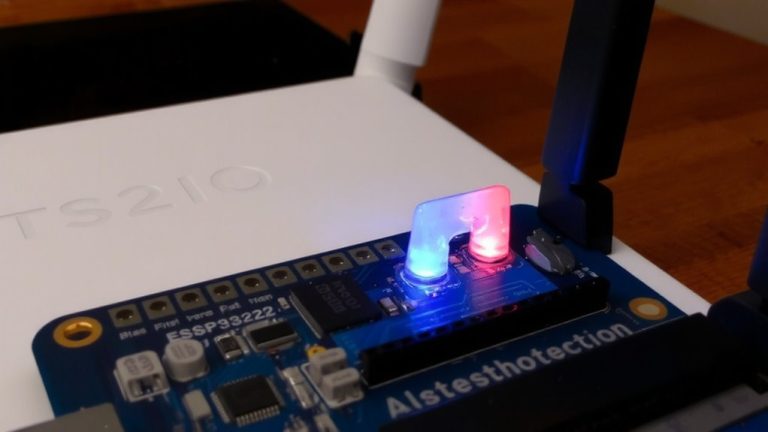
Not just any Wi-Fi monitor—discover how your ESP32 becomes a vigilant sentry, filtering MAC addresses in real time with a stealthy whitelist that knows who’s really nearby.
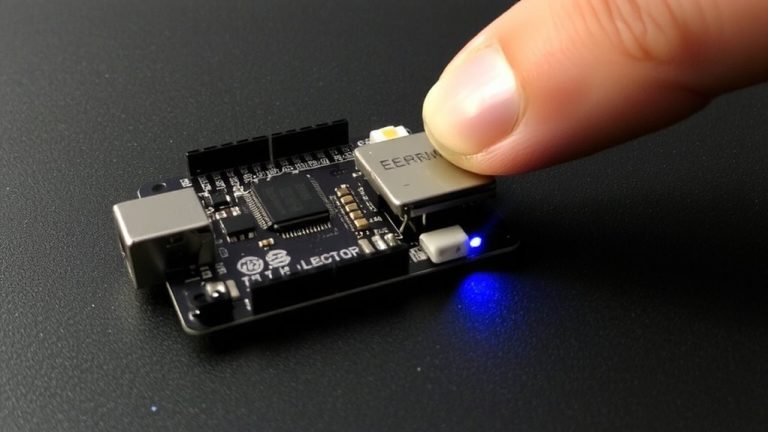
No ordinary keychain—discover how encrypted EEPROM and military-grade security on an Arduino conceal your credentials until the final, irreversible wipe.
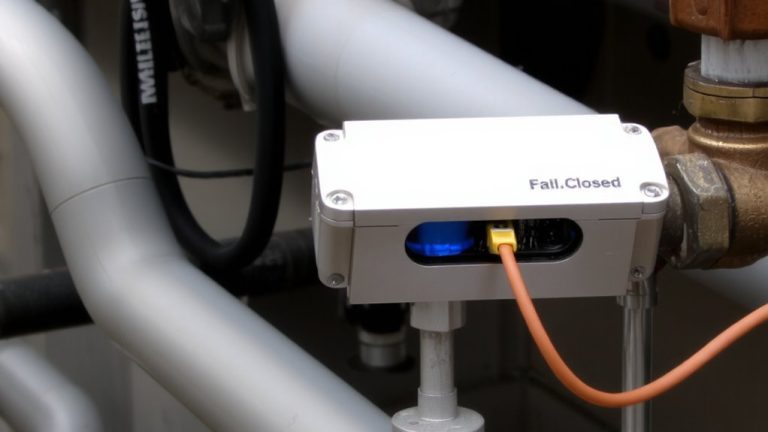
Integrating fail-closed logic into smart valve controllers ensures rapid, reliable shutdowns during gas or water anomalies—discover how this system adapts in complex environments.
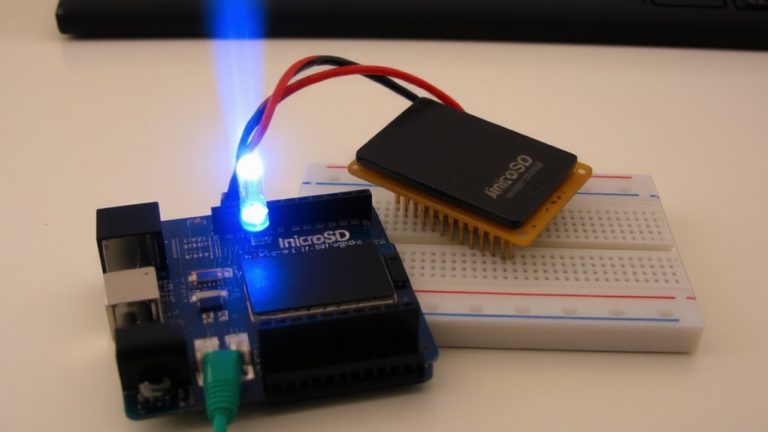
Using circular buffers in SRAM, unlock seamless 120 Hz security logging on Arduino—discover how to prevent overflow and maintain precision.

Connect your IoT nodes to stay alive—missed heartbeats trigger silent reboots, but only if you secure the signal just right.
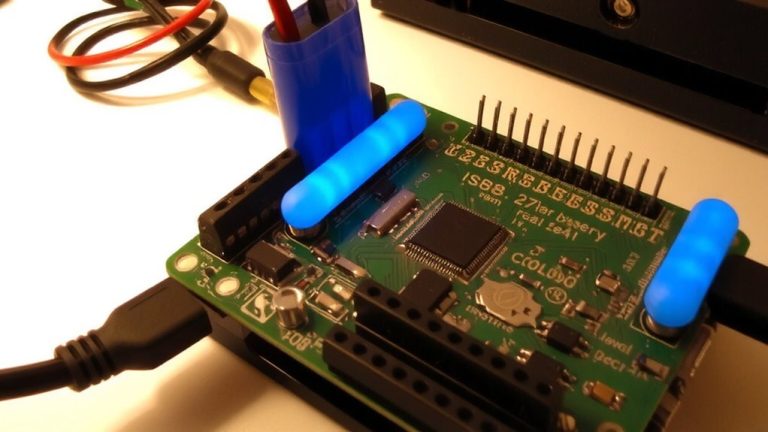
Tiny components, massive security: harnessing natural noise in an ATtiny45 to generate unbreakable crypto keys—see how it works.

New security standards demand ephemeral keys—discover how ECDHE in DTLS safeguards sensor data even if long-term keys are compromised.

Getting inside your network’s invisible traffic reveals hidden devices—see how an ESP32 uncovers what shouldn’t be there.