Using Memory Protection Units (MPU) on ESP32 to Isolate Critical Firmware Sections
Not all ESP32s have an MPU, but you can still lock down firmware—discover how to exploit hidden memory controls for unbreakable isolation.
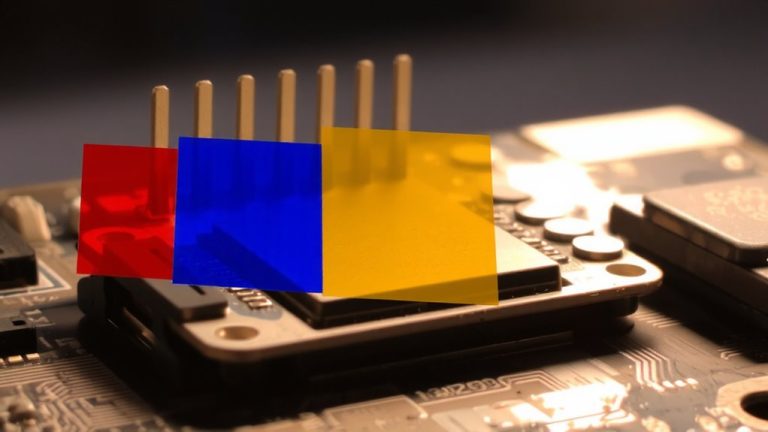
Not all ESP32s have an MPU, but you can still lock down firmware—discover how to exploit hidden memory controls for unbreakable isolation.
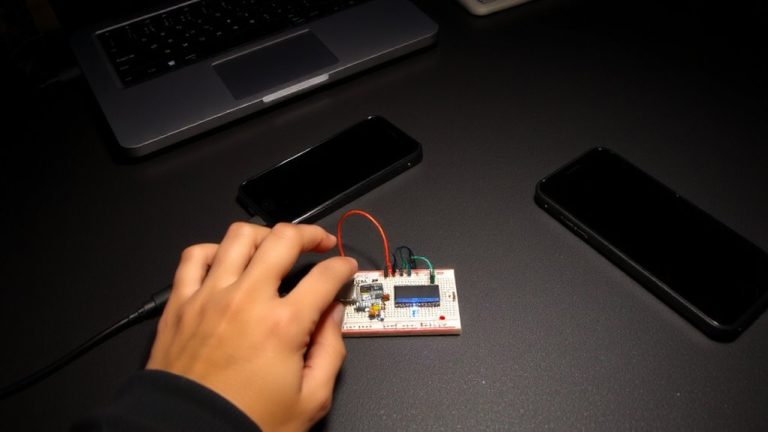
I built a secure messaging system on Arduino using Signal Protocol principles—here’s how I made it fit in 2KB of RAM.

When seconds count, discover how a simple timer circuit can shield enterprise devices from tampering—exactly what separates consumer gadgets from bulletproof hardware.

Creating a local Identity Provider for IoT? See how cutting out the cloud boosts security and speed—but one hidden flaw could expose your entire network.

Keeping keys lightweight yet secure, a breakthrough ABE method slashes energy use—see how real-time sensor streams stay protected without slowing down.
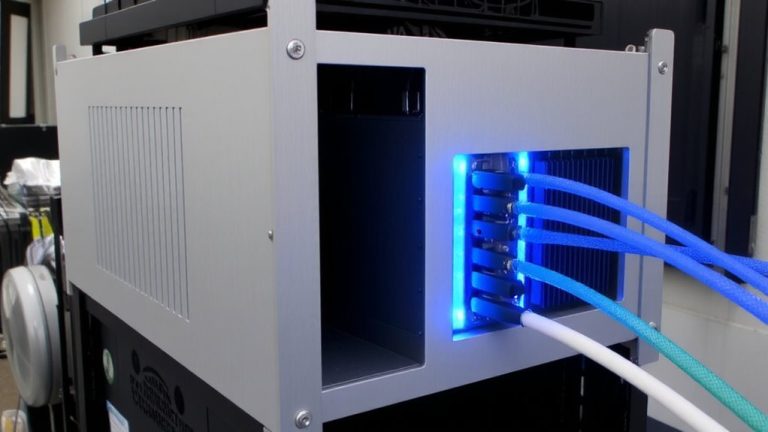
Getting sensor data to the cloud securely isn’t about stronger firewalls—it’s about eliminating双向 communication entirely.
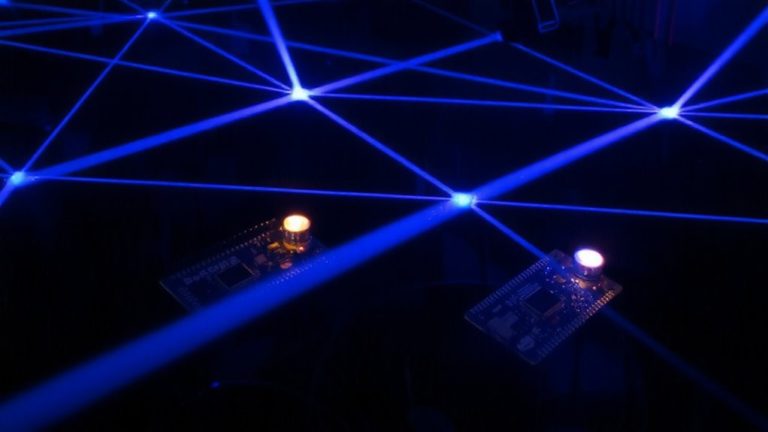
Leveraging Noise Protocol with ESP-NOW enables secure, offline ESP32 communication—but how it maintains speed and secrecy in harsh environments may surprise you.
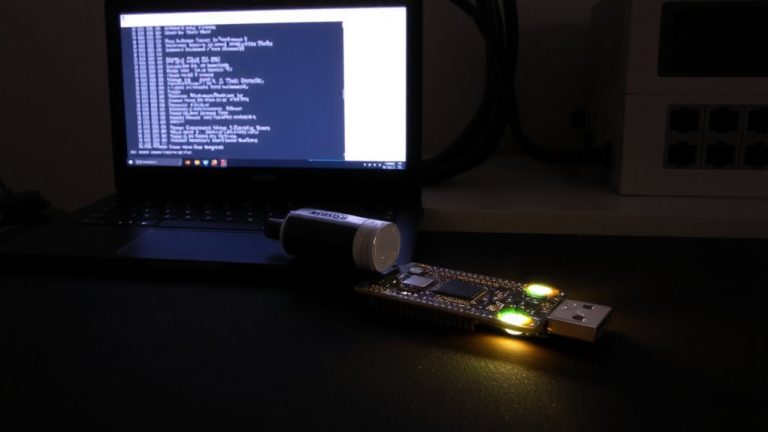
Making secure firmware updates on ESP32 starts with a single cryptographic key—but one final step makes the entire system unbreakable.
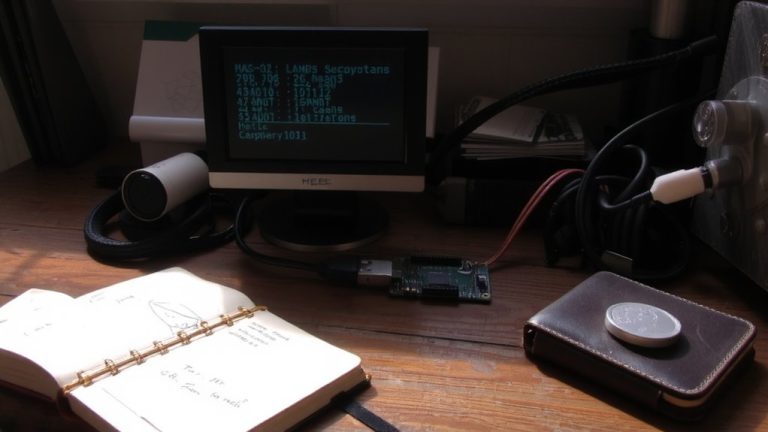
I’m turning a Raspberry Pi into a certificate authority that secures every IoT device with hardware-backed, short-lived certs—here’s how to make your fleet unbreakable.
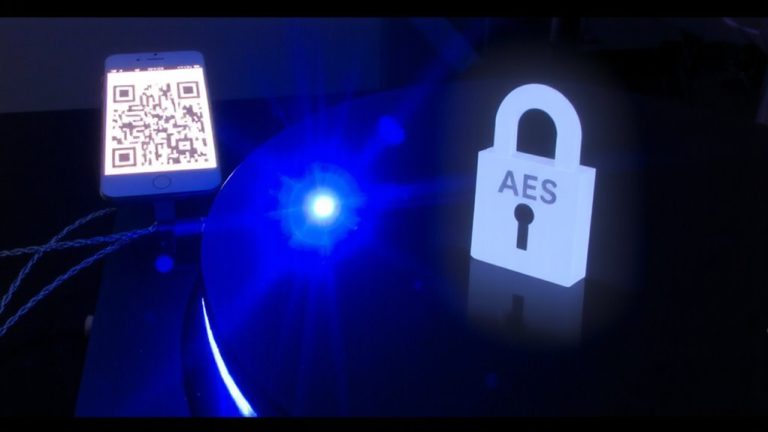
The future of secure device commissioning begins with QR code auth tokens and AES-wrapped keys—discover how each cryptographic layer ensures ironclad trust.