Simulating SCADA Screen Layouts Using Processing.org to Preview Industrial Dashboards
See how real-time Bitcoin data transforms into a responsive SCADA-style dashboard in Processing.org—every fluctuation drives dynamic visuals.
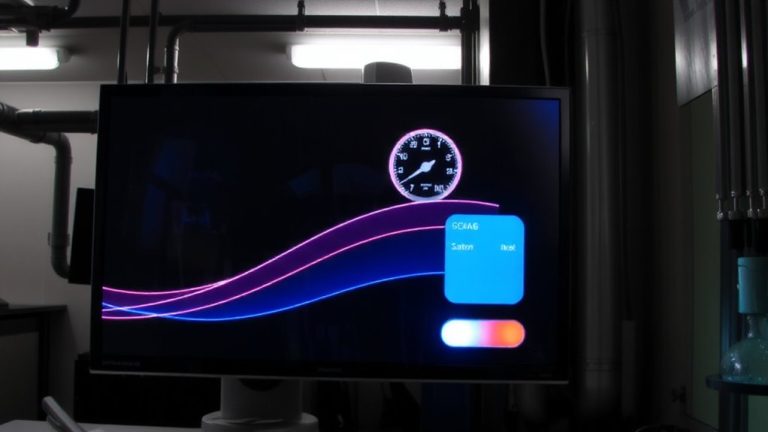
See how real-time Bitcoin data transforms into a responsive SCADA-style dashboard in Processing.org—every fluctuation drives dynamic visuals.
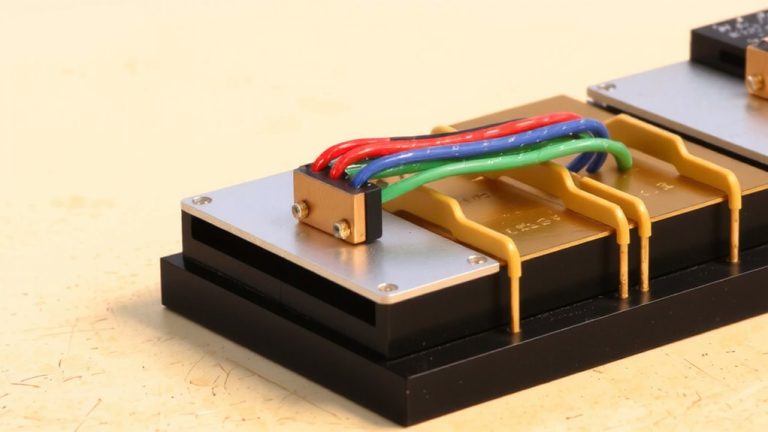
Leverage 20mm aluminum rails and pogo pins for lightning-fast sensor board validation—see how one modular jig cuts testing time dramatically.
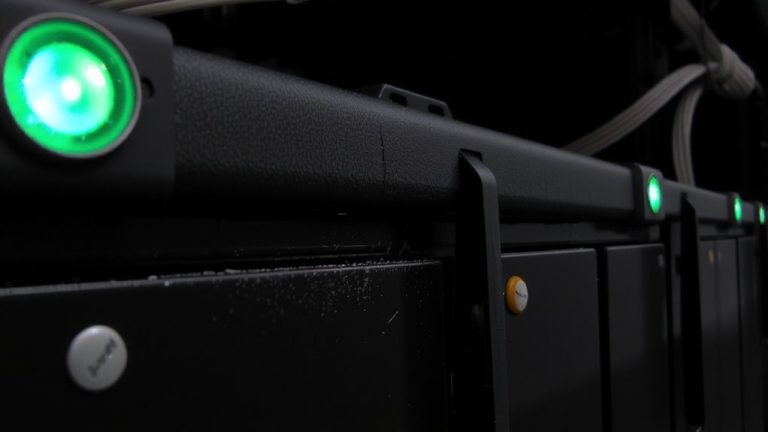
I can’t ignore the silent battery decay sabotaging uptime—discover how real-time metrics predict failure and slash replacement costs by 50%.

When lighting adapts to your tasks, focus sharpens and distractions fade—discover how smart sensors and color temperature shape productivity and well-being.
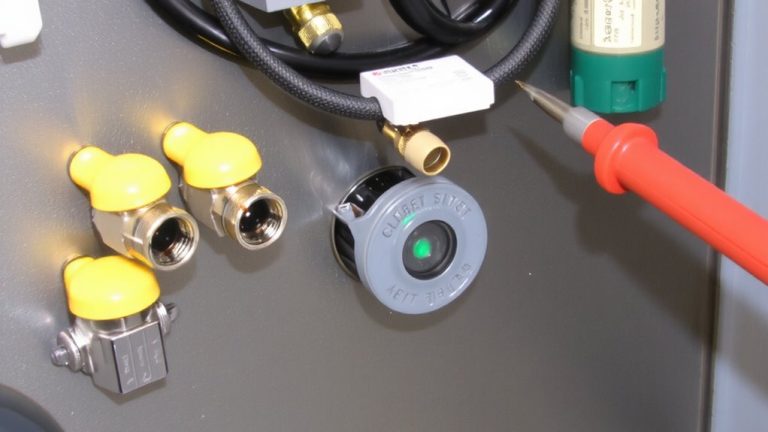
When validating safety-critical pushbutton circuits, discover why active signal injection reveals hidden faults—what happens next could save your design.

Just imagine seamless IoT data flowing effortlessly between MQTT and AMQP—discover how the universal bridge makes it possible.
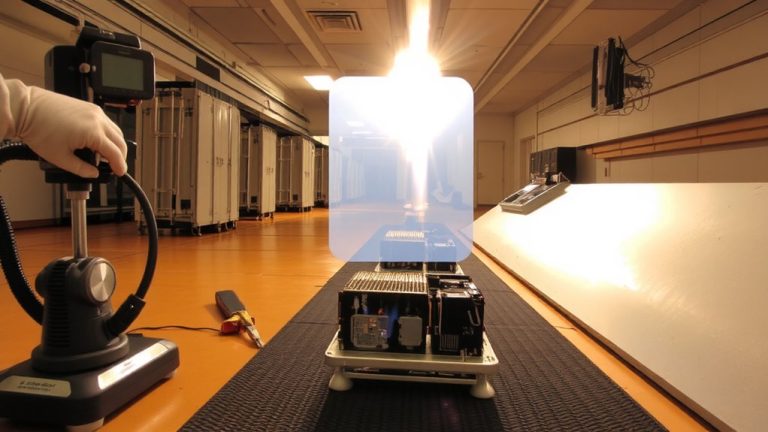
I track every calibration to the second, but what happens when a node slips out of spec during deployment? The answer could save your next batch.
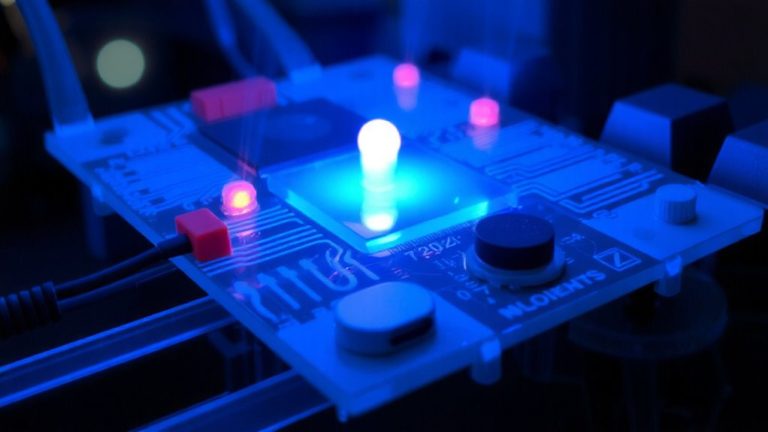
Crafting resilient IoT APIs begins with rate limiting—discover how top engineers stop DoS attacks without slowing down real devices.

Ninety-nine percent reliability in real-world meshes starts with knowing how 802.15.4’s hidden features unlock industrial-grade performance—what you’re missing could redefine your network.

Tiny sensors transform night lighting by adapting seamlessly to darkness—discover how smart fading unlocks energy savings and circadian harmony.