Leveraging Deep Sleep Mode on ESP32 to Maximize Battery Life in Remote Sensors
Saving power starts with sleep—discover how deep sleep mode lets ESP32 sensors run for years on a single battery.
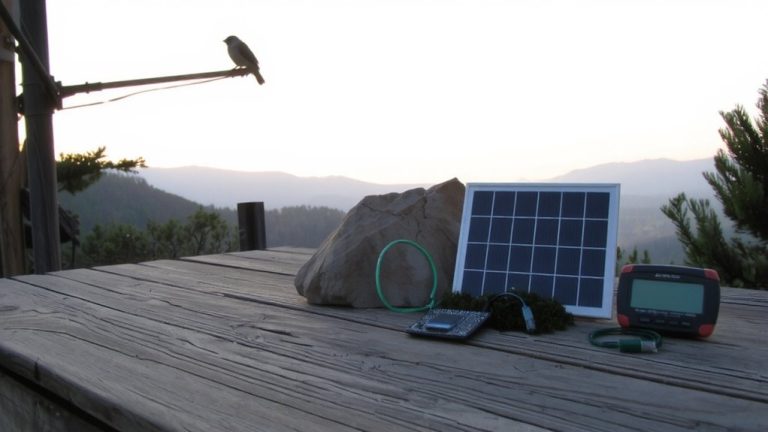
Saving power starts with sleep—discover how deep sleep mode lets ESP32 sensors run for years on a single battery.
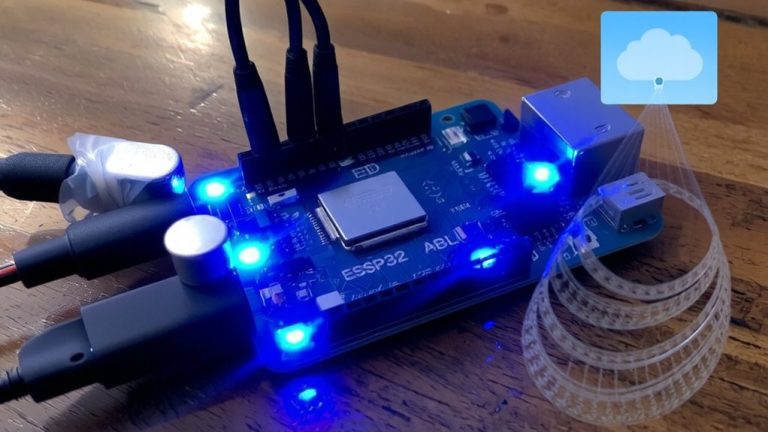
Under 30KB of RAM powers ESP32 edge filters that slash cloud uploads by 77%—but how do tiny models cut traffic without missing critical alerts? The answer could redefine your IoT design.
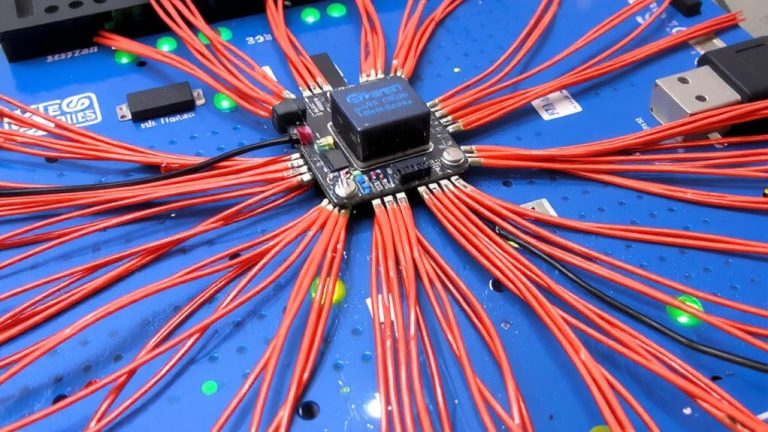
Learn how a single ESP32 can orchestrate hundreds of low-cost sensors in real time—here’s the secret to scaling without the sprawl.
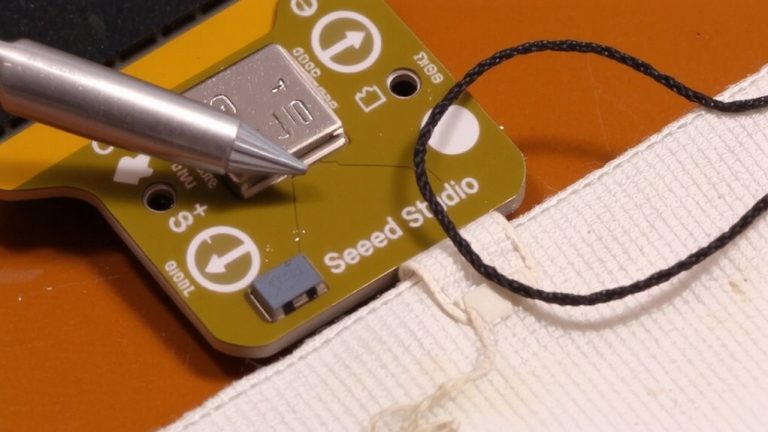
Connecting your Seeed Studio XIAO ESP32 to Arduino opens the door to ultra-low-power wearable projects—once you master the flash trick.
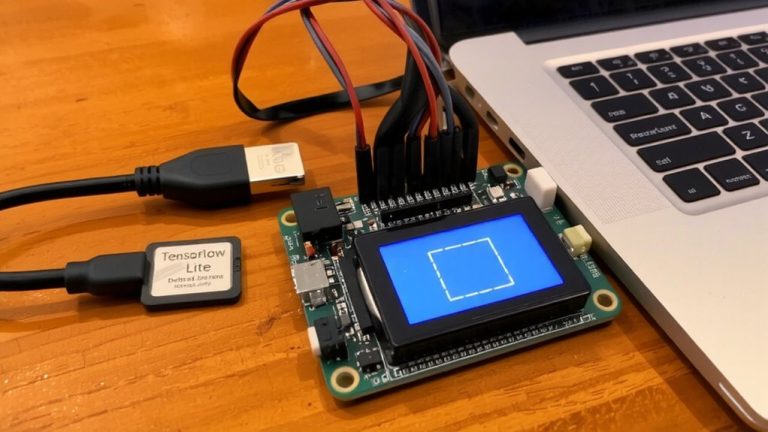
For ultra-low-power inference, see how to compress and deploy a TensorFlow Lite model on ESP32—effortlessly achieving sub-5ms predictions.
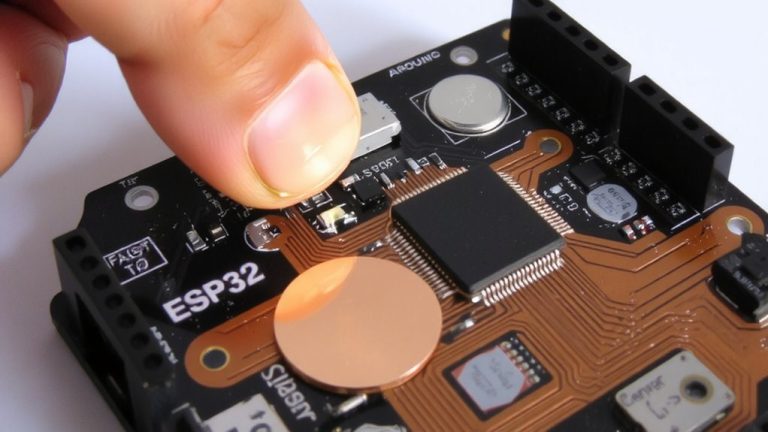
No wires, no buttons—just tap a hidden foil pad to wake your ESP32 and control any project with touch; discover how to build and fine-tune the circuit now.
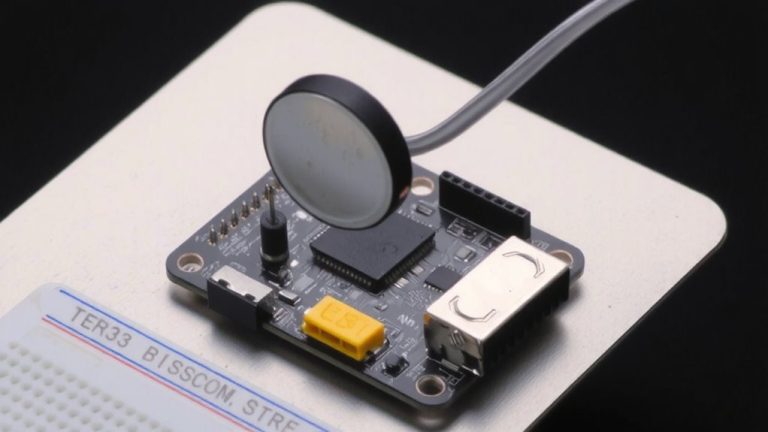
A simple Arduino sketch reveals hidden ESP32 health clues through Hall sensor and temperature shifts—what your microcontroller isn’t telling you might surprise you.
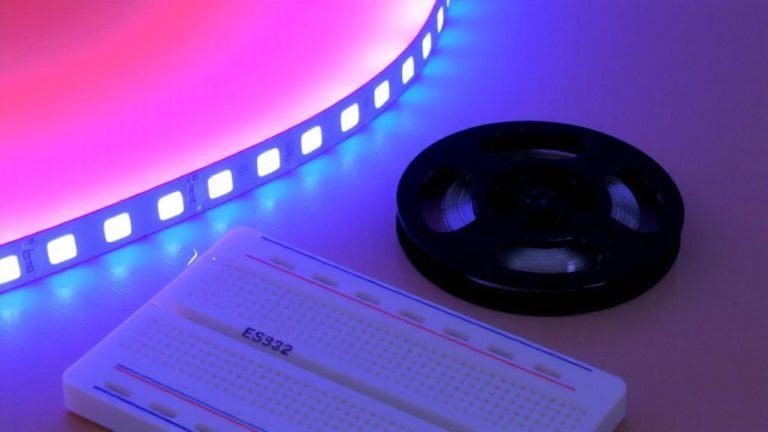
I control WS2812B LEDs with pixel-perfect timing on ESP32—discover how RMT eliminates jitter even during WiFi spikes.
Tiny but tough, this logger uses FRAM’s 100 trillion write cycles to outlive EEPROM—discover how to build it right.
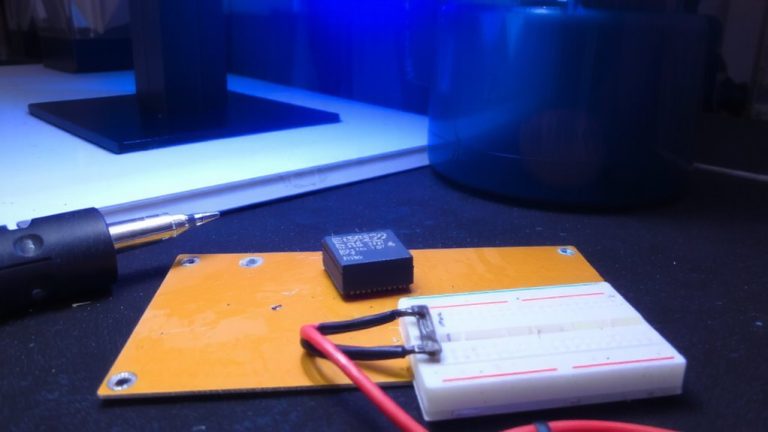
One tiny 7×7 mm package holds dual cores, Wi-Fi, Bluetooth, and Arduino compatibility—discover how to build smarter with minimal components.