Protecting Eeprom-Stored Calibration Data With HMAC-SHA1 on Arduino Pro Mini
Secure your sensor calibration data against corruption—discover how HMAC-SHA1 on Arduino Pro Mini ensures integrity with minimal overhead and failsafe defaults.
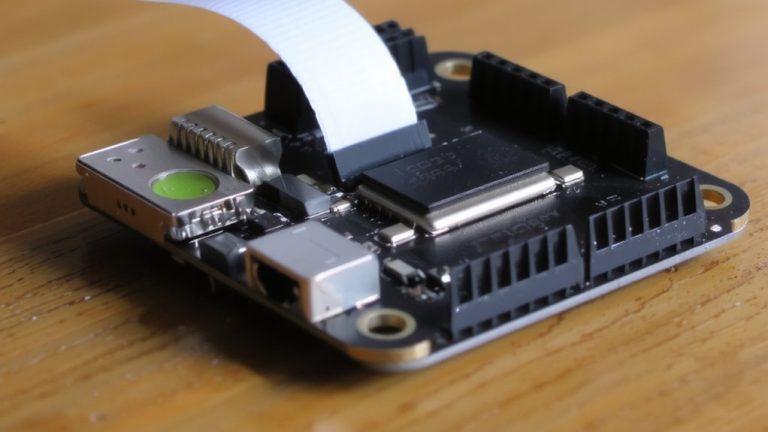
Secure your sensor calibration data against corruption—discover how HMAC-SHA1 on Arduino Pro Mini ensures integrity with minimal overhead and failsafe defaults.
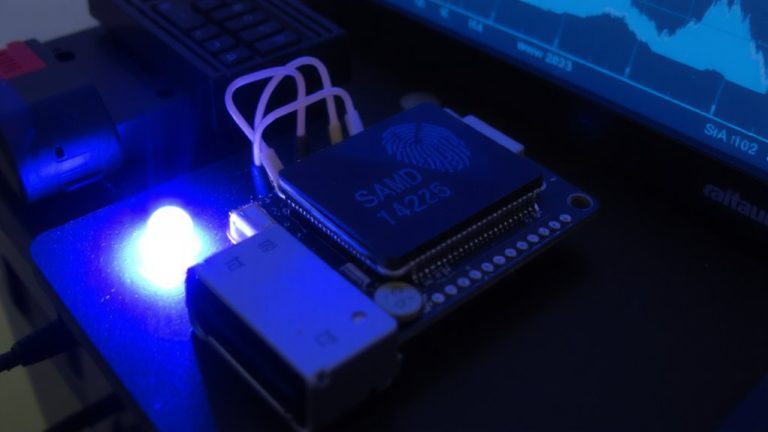
The bootloader checks a cryptic 64-byte signature in under 5ms—discover how SHA-256 and ECDSA-P256 team up to lock out evil maid attacks.

Just imagine securing sensor networks with lightning-fast, quantum-resistant authentication—what makes hash-based HMAC the ultimate choice for trusted, low-power IoT communication?
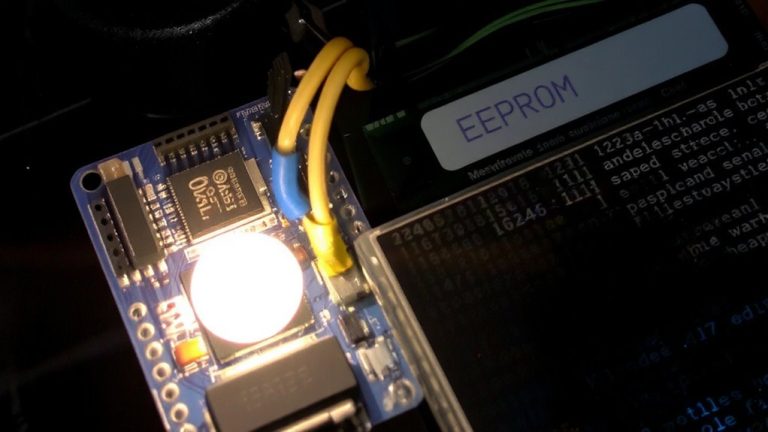
Keeping secrets in Arduino code is harder than it seems—discover the clever tricks hackers use to uncover your data and how to stop them for good.

Flash encryption locks your ESP32’s MQTT secrets with AES-XTS—but is your key management truly tamper-proof? The real defense starts where the flash ends.

Leverage AES-CTR’s speed and minimal overhead to enable secure, real-time OTA updates on ESP32 with under 520 KiB memory—here’s how.
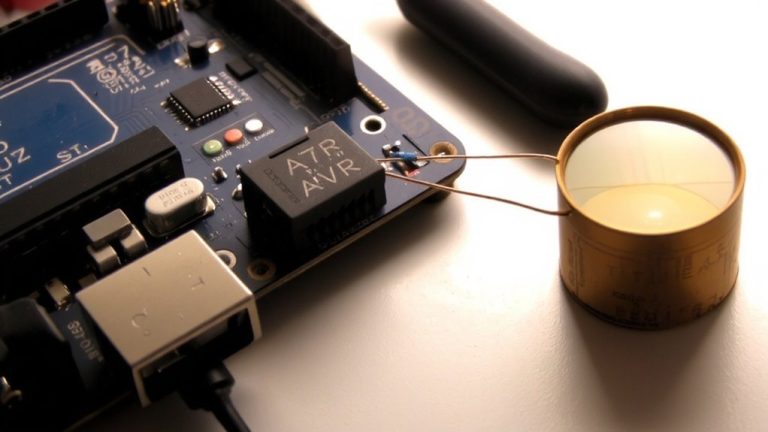
Securing an Arduino starts with disabling the bootloader—discover how fuse and lock bit configuration can block unauthorized access permanently.
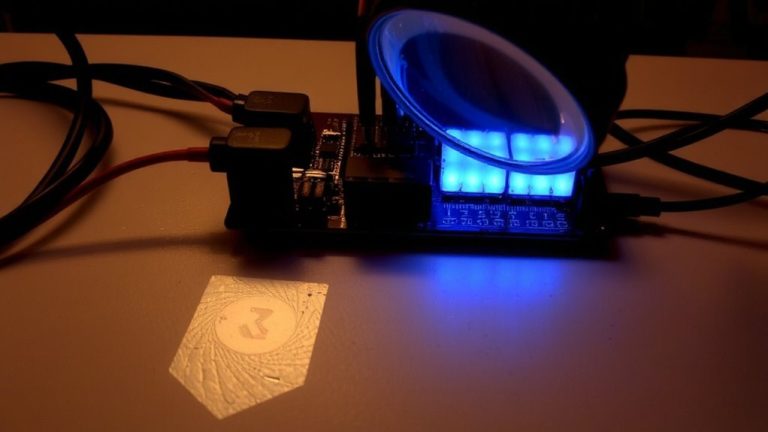
Warning: a single overflow can crash your Arduino—discover the tested fix that stopped crashes in motorcycle telemetry firmware.
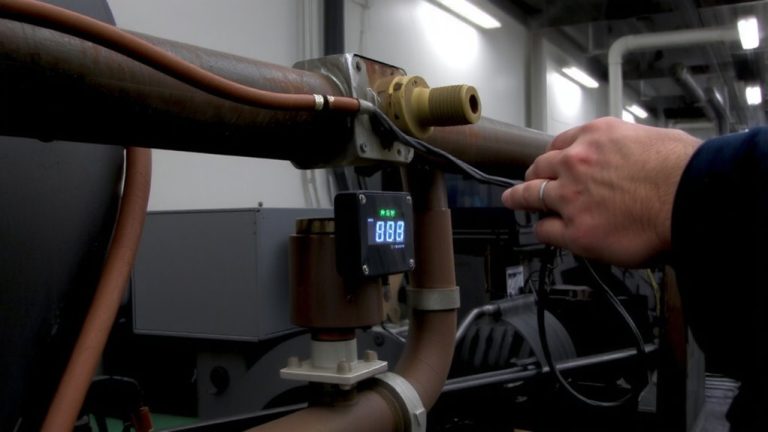
Prevent silent system failures by validating sensor input bounds—discover the overlooked edge case that breaks even seasoned embedded code.
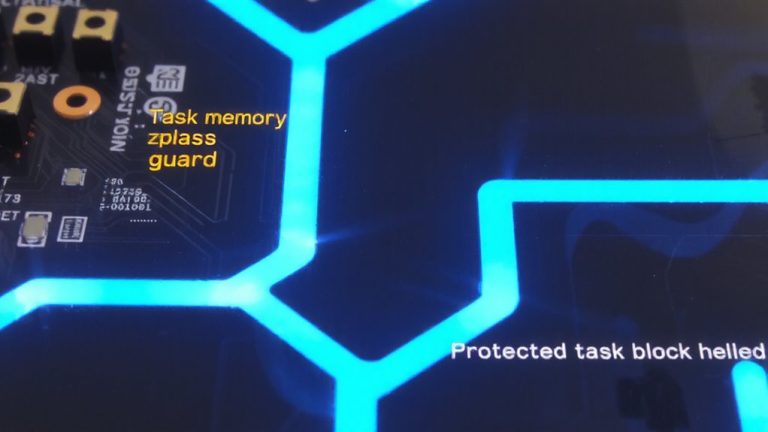
Just when you think stack corruption is undetectable, discover how FreeRTOS canaries and MPU guard regions expose hidden overflows—revealing what’s really crashing your system.