Balancing Workload Across Two Cores in ESP32 Using Task Affinity Settings
Just imagine slicing Wi-Fi lag in half—what if the secret isn’t upgrading hardware but mastering task affinity on the ESP32’s dual cores?
Just imagine slicing Wi-Fi lag in half—what if the secret isn’t upgrading hardware but mastering task affinity on the ESP32’s dual cores?
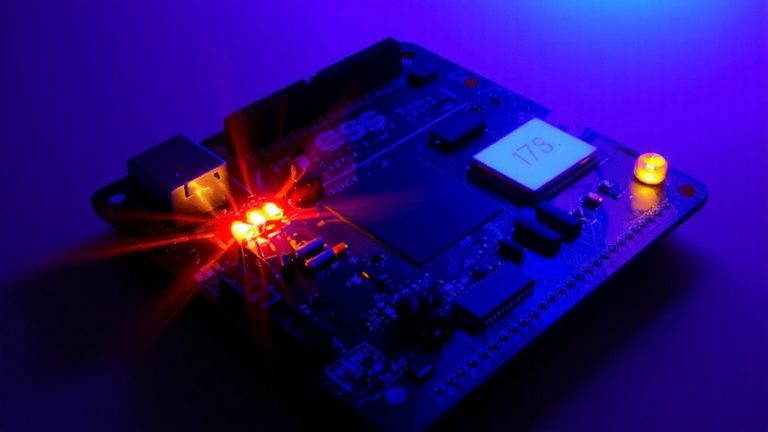
Discover how dropping idle task percentages reveal hidden ESP32 performance bottlenecks—what happens when your CPU never rests?
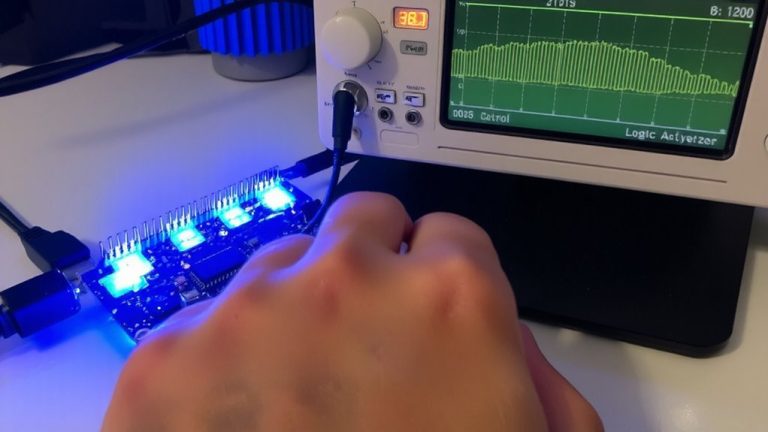
Keeping time精准 in FreeRTOS means ditching delay()—discover the critical fix that stops drift dead, but one misstep could crash your entire system.
Getting accurate task switch measurements under network stress reveals hidden RTOS delays that could cripple your robot’s timing—what you can’t log, you must probe.
FreeRTOS crashes loom when dynamic allocation drains limited RAM—discover how static task creation tames stack overflow and conserves memory on heap-starved microcontrollers.
Task notifications slash signaling latency on ESP32—discover how replacing queues with a hidden FreeRTOS feature unlocks near-instant task wake-ups.
Just imagine your ESP32 juggling UART, PWM, and sensors flawlessly—see how daemon tasks outperform the Arduino loop.
For flawless dual-core handshakes on ESP32, discover how a split-second ISR signal can awaken a waiting task—almost effortlessly.
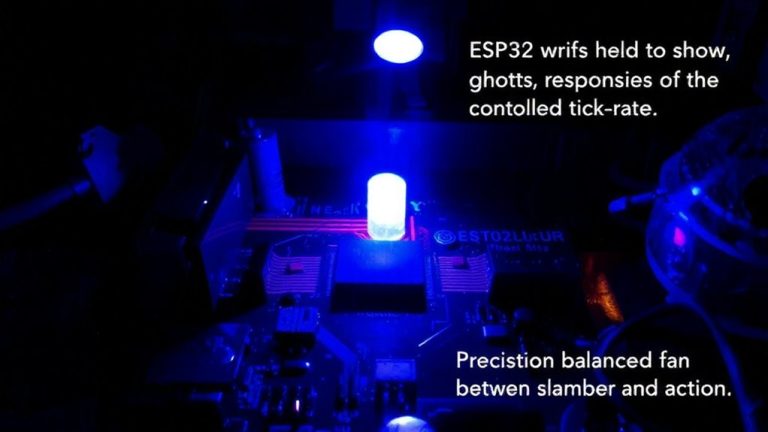
A single tweak slashes ESP32 power use by 30%—discover how adjusting the RTOS tick rate unlocks battery life without killing responsiveness.
No single missed beat goes unnoticed—discover how Core 0 and Core 1 teamwork ensures failsafe system health in FreeRTOS.