How to Use Variadic Templates in C++ for Flexible Logging on Arduino
Cut printf risks on Arduino—discover how variadic templates enable safe, efficient logging that shrinks code and prevents crashes.
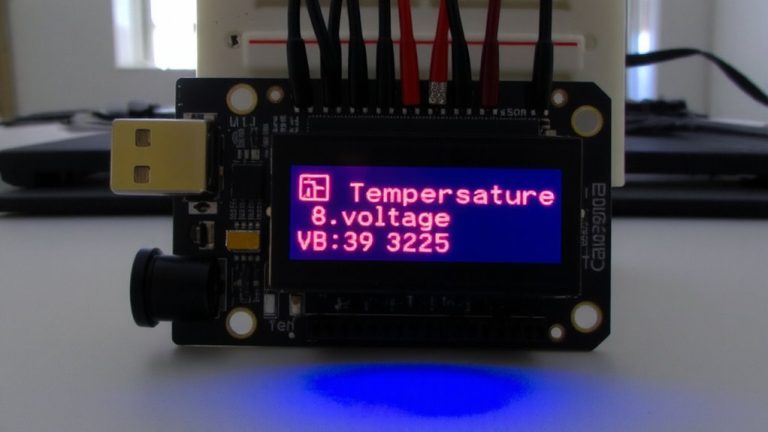
Cut printf risks on Arduino—discover how variadic templates enable safe, efficient logging that shrinks code and prevents crashes.

I unlocked 30 fps on my ESP32-S3’s OLED by chaining DMA transfers—here’s how partial updates and double buffering cut latency by 60%.

Compile-time math with C++ templates cuts runtime overhead—discover howconstexpr and metaprogramming unlock blazing-fast embedded performance.
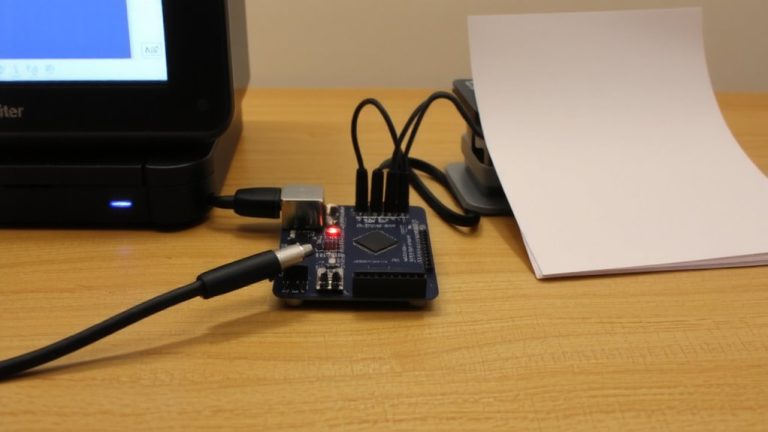
Could your Arduino be silently crashing? Discover how to capture the exact moment of failure and uncover hidden bugs lurking in your code.

For reliable Arduino multitasking, discover how hidden race conditions strike—and what fails when interrupts corrupt shared data.

A single volatile keyword isn’t enough—discover why memory barriers are secretly essential for reliable interrupt handling on microcontrollers.

A simple tweak to global variable types and string storage slashes RAM use—discover how freeing just a few bytes unlocks rock-solid Arduino performance.

Pare down your Arduino sketch size by leveraging preprocessor directives—discover how to target specific hardware and cut flash usage dramatically.
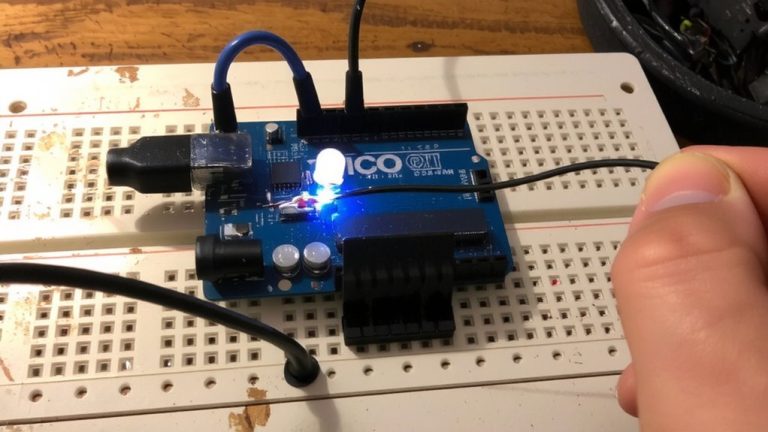
Patience pays off when you learn how to replace delay() with millis()—discover the secret to flawless, responsive Arduino timing that never misses a beat.

Use bit shifts and SIMD tricks to crush float-to-int lag—there’s a faster way hidden in plain sight.