Building Lightweight Object-Oriented Frameworks for Modular Arduino Device Drivers
Just imagine slashing CPU usage to 15% while hitting sub-200 µs response times with structured OOP frameworks on Arduino.

Just imagine slashing CPU usage to 15% while hitting sub-200 µs response times with structured OOP frameworks on Arduino.

On the ESP32, override new and delete to tame memory chaos—discover how fixed-size pools prevent fragmentation and enable rock-solid performance in relentless real-time tasks.
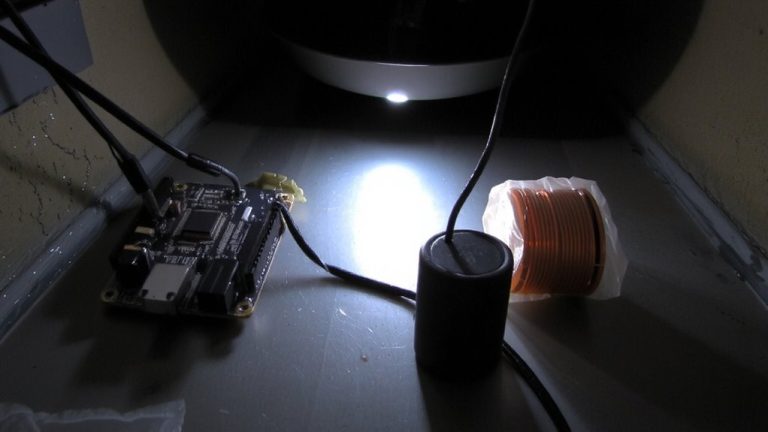
Careless memory use crashes Arduino sensor nodes—discover how fixed buffers and preallocated strings prevent silent failures in long-running systems.

Cut memory use by 5% and double speed—discover how move semantics revolutionize buffer handling on microcontrollers.

How static_assert catches hardware mismatches before they crash your robot—see the exact tricks top firmware teams use to enforce memory layout with zero runtime cost.

A smarter way to scale Arduino projects awaits—discover how modular C++ files revolutionize code management and unlock professional-grade firmware workflows.
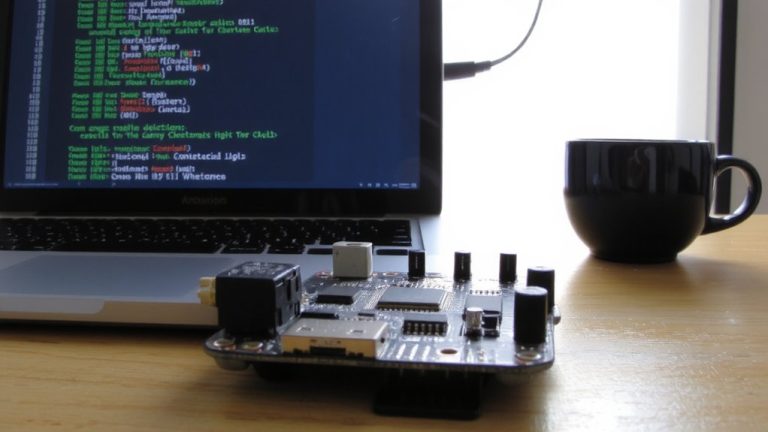
C++14’s constexpr could revolutionize Arduino Due performance—if only its compiler played nice, but there’s a faster workaround you need to see.
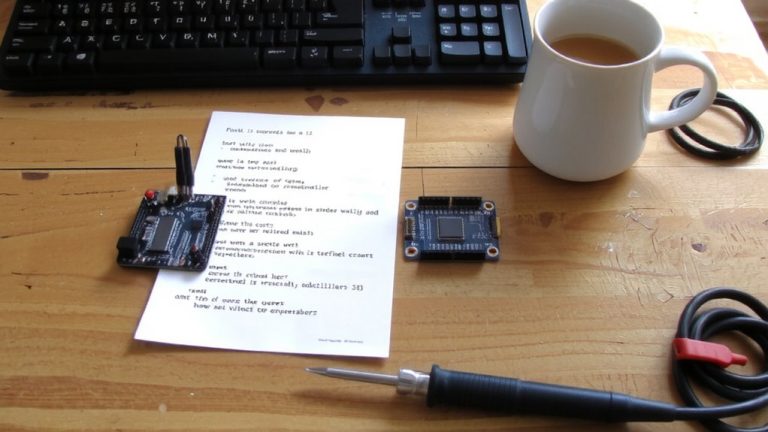
A header-only approach with compile-time magic and zero heap use unlocks blazing-fast, portable code—discover the secret behind seamless Arduino and ESP32 harmony.
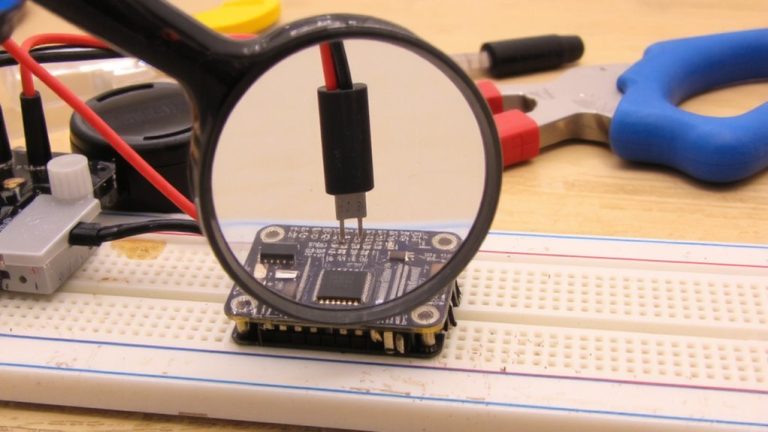
Type-safe enums in Arduino firmware prevent silent failures—discover how compact, error-proof state machines can transform your embedded code.

Save crucial cycles on the ATmega328P by replacing slow floating-point math with lean fixed-point arithmetic—here’s how to slash execution time and code size.