Avoiding Dynamic Memory Allocation Pitfalls in Long-Running Arduino Sensor Nodes
Careless memory use crashes Arduino sensor nodes—discover how fixed buffers and preallocated strings prevent silent failures in long-running systems.
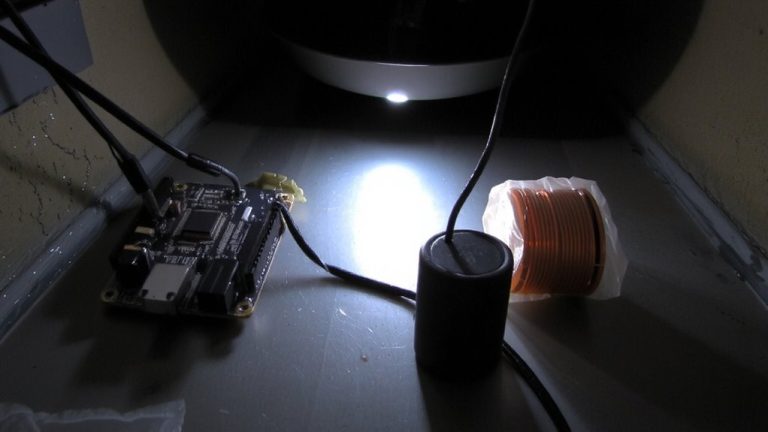
Careless memory use crashes Arduino sensor nodes—discover how fixed buffers and preallocated strings prevent silent failures in long-running systems.
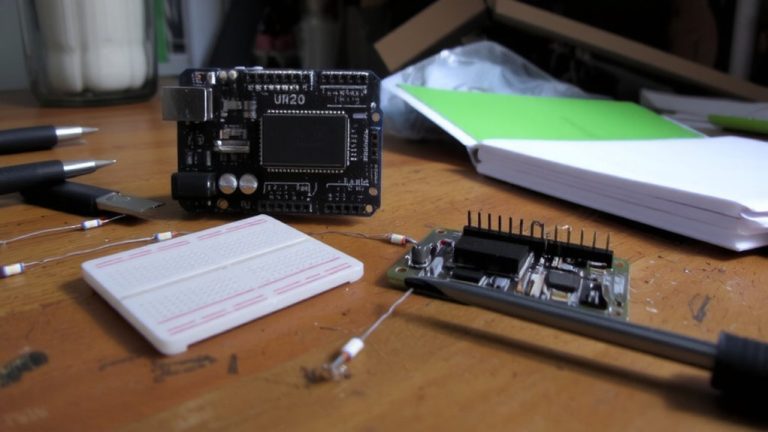
Don’t let STL bloat eat your Arduino’s flash—discover how dumping vectors saves bytes and unlocks tiny chip potential.

On Arduino pins, a lone LED blinks secrets in binary—discover how pre-coded flashes reveal hidden faults before they spiral out of control.
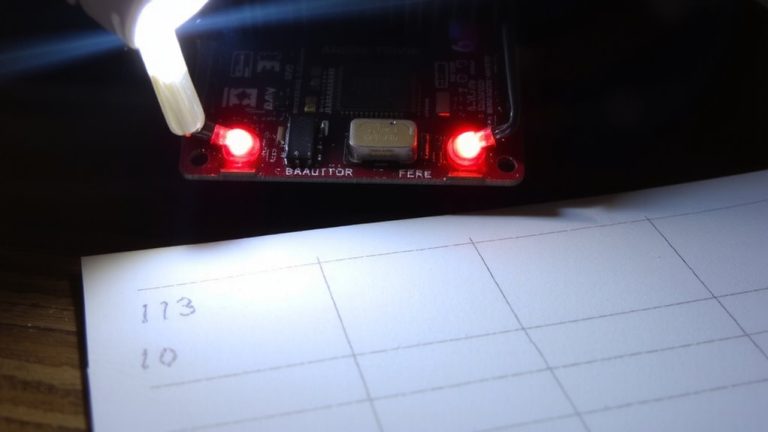
Just how much SRAM can you save by packing Arduino flags into a single byte? The answer might revolutionize your next project.

Craft resilient sensor readings with compact CRC checks—discover how a 30µs bit-by-bit trick slashes errors and saves memory.

C++ function templates with multiple types let you fuse sensor data flawlessly—but one crucial step prevents runtime chaos on Arduino.
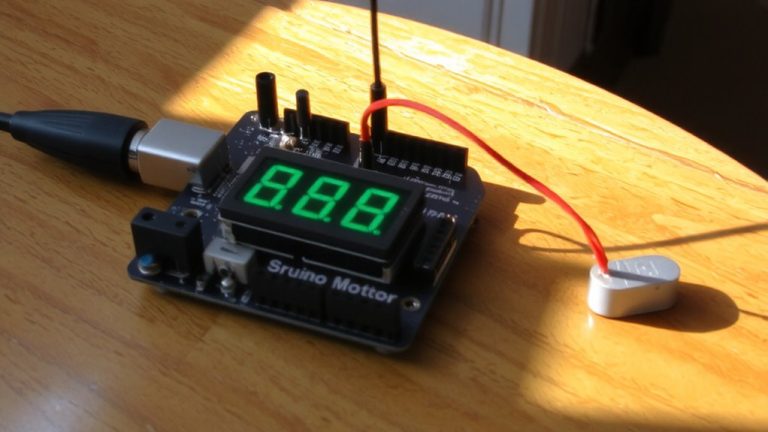
Keep your Arduino’s random numbers fast and flicker-free—here’s how to harness true entropy without slowing down your real-time projects.

Because every byte counts, learn how conditional compilation slashes memory use—discover the trick that saves 1.5KB without slowing your Arduino.

Programming precise traffic light sequences hinges on mastering non-blocking delays and state transitions—discover how to optimize timing and scalability in your Arduino projects.

Save precious Arduino resources by swapping complex math for lightning-fast lookup tables—discover how smart precomputed values can transform sensor accuracy.