Leveraging Deep Sleep Mode on ESP32 to Maximize Battery Life in Remote Sensors
Saving power starts with sleep—discover how deep sleep mode lets ESP32 sensors run for years on a single battery.
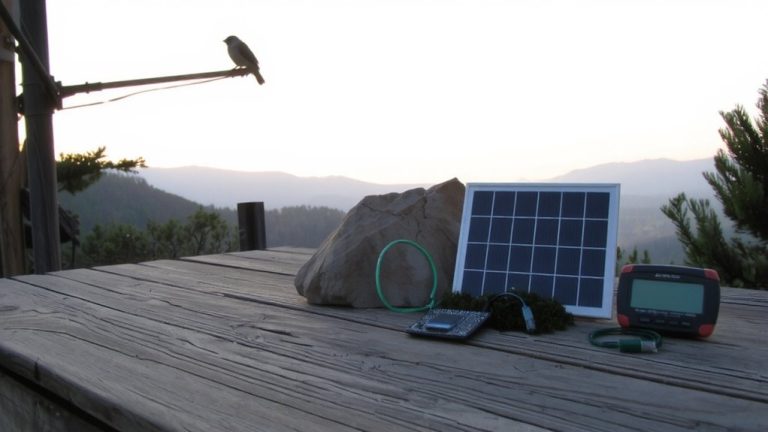
Saving power starts with sleep—discover how deep sleep mode lets ESP32 sensors run for years on a single battery.
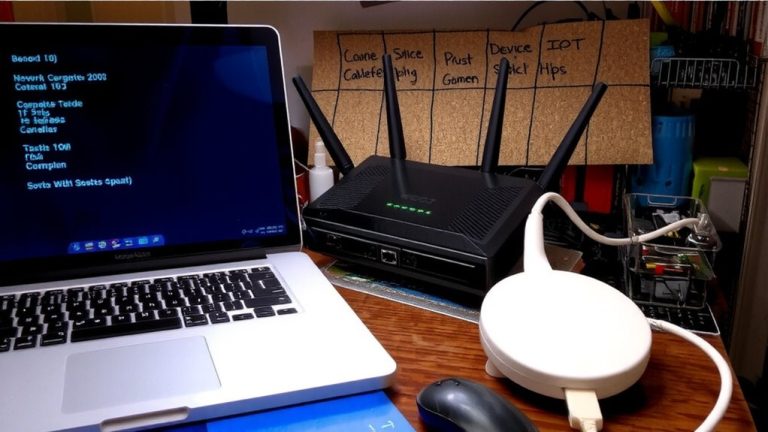
Let your IoT devices keep their addresses without fail—discover the smarter way to scale reliable identification across dozens of nodes.
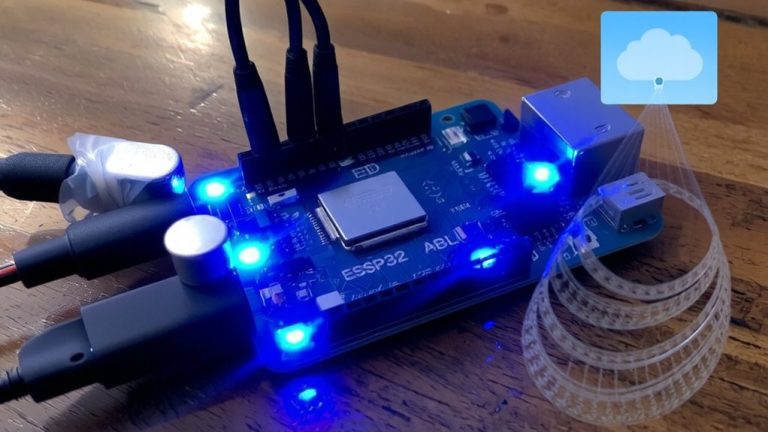
Under 30KB of RAM powers ESP32 edge filters that slash cloud uploads by 77%—but how do tiny models cut traffic without missing critical alerts? The answer could redefine your IoT design.
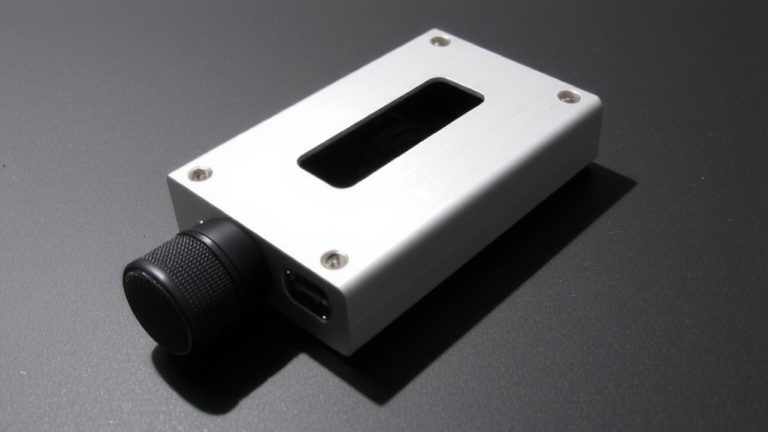
For precise environmental monitoring, discover how to design a compact noise logger that captures and stores acoustic data flawlessly—down to the last decibel.
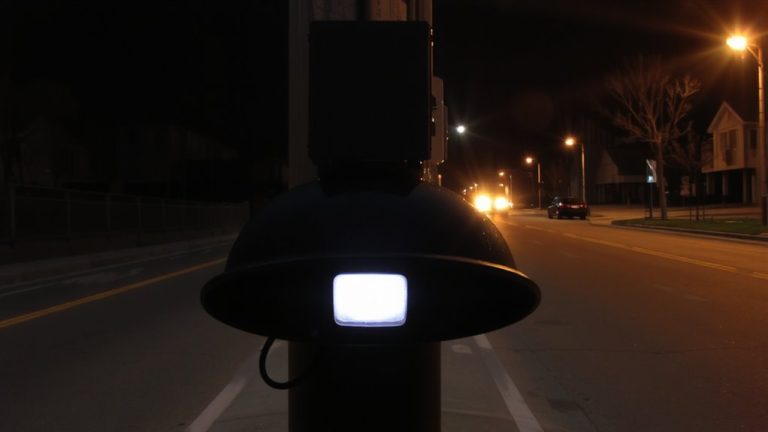
Connecting the TSL2561 to your microcontroller unlocks adaptive lighting—discover how real-time lux adjustments cut energy by 60% without oversaturating.
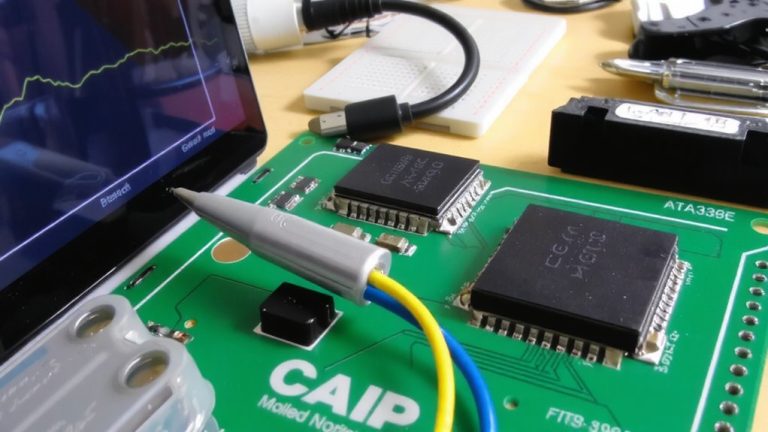
Nailing real-time communication starts with mastering CAN bus wiring, IDs, and arbitration—discover how to build a responsive inter-MCU network from scratch.
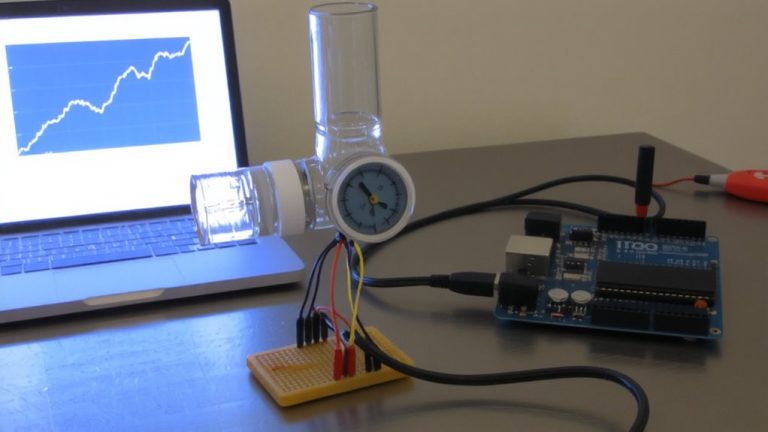
I track water use with an Arduino and YF-S201 flow meter—discover how pulse counting reveals hidden consumption patterns over time.
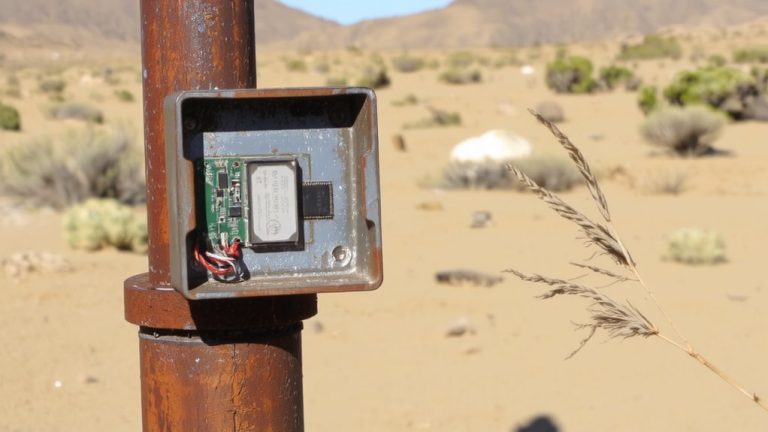
Count on timer-based resets to revive frozen IoT nodes, but what happens when the watchdog itself fails—discover the fail-safe behind the fail-safe.
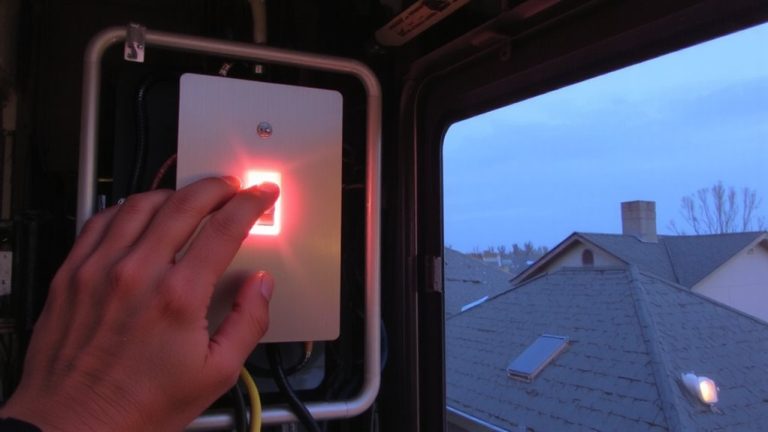
Keen to slash energy bills? Discover how a single switch can disable power-hungry devices at peak times—effortless savings start here.

A smart blinds system uses an LDR array to read sunlight in real time—see how 2,000 lux triggers precise, flicker-free adjustments that adapt daily.