Optimizing SPI Communication Speed on ESP32 Using Direct Register Access
Discover how direct SPI register access on the ESP32 slashes latency to under 2µs—unlock 80 MHz precision and cycle-accurate control for real-time sampling.
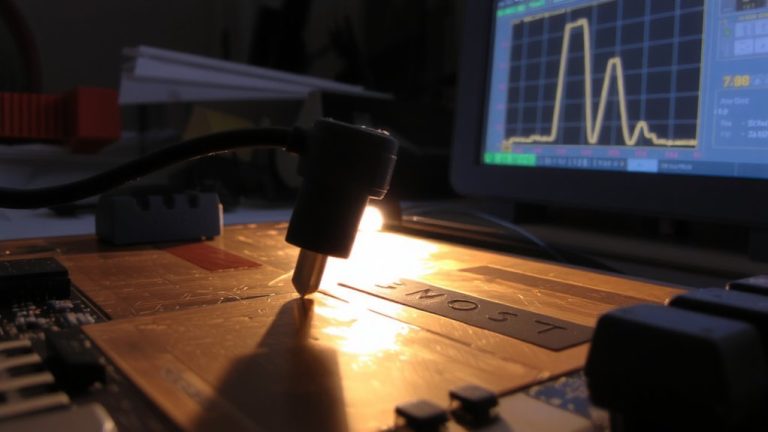
Discover how direct SPI register access on the ESP32 slashes latency to under 2µs—unlock 80 MHz precision and cycle-accurate control for real-time sampling.
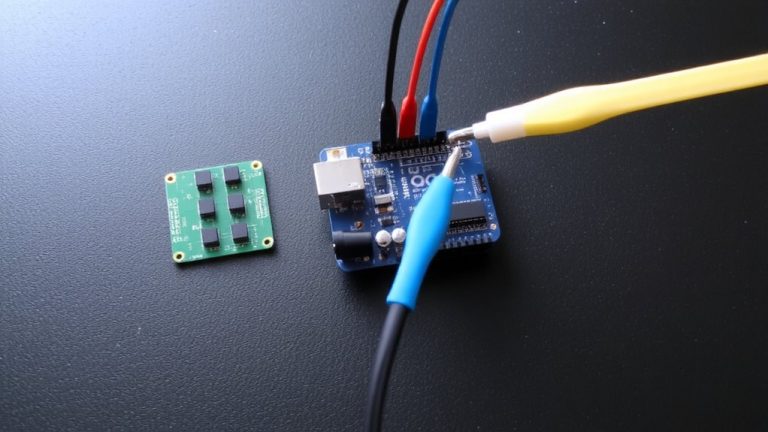
Sorting 200 sensor values in 48 ms with O(1) memory—see how insertion sort beats bubble sort and qsort on an Arduino NANO.
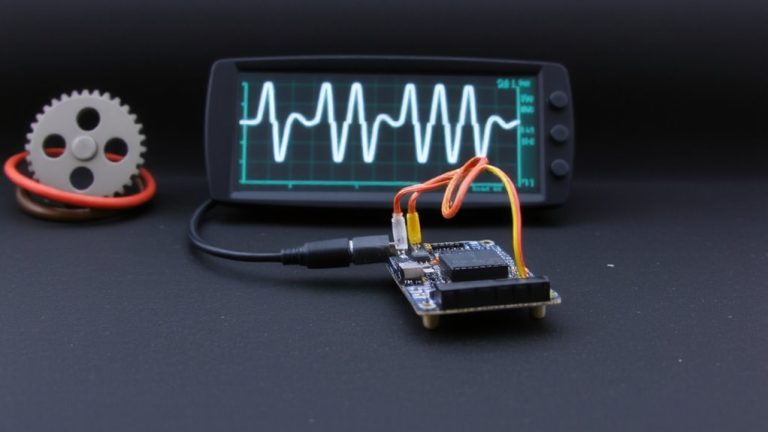
Precise timing demands more than digitalWrite—discover how inline assembly unlocks cycle-accurate control on Arduino for mission-critical tasks.
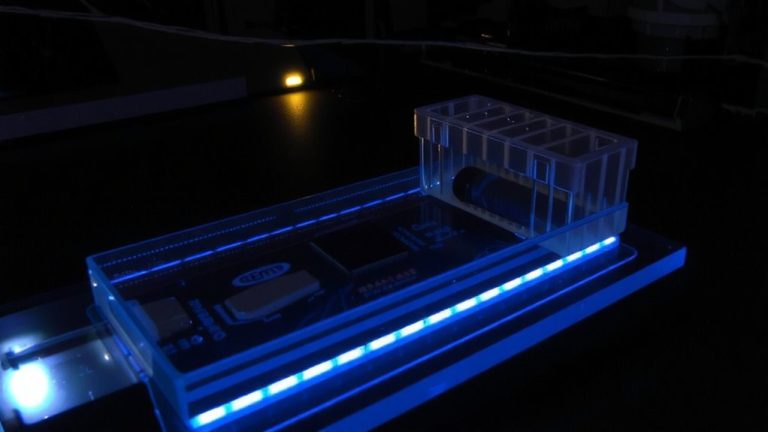
Poorly managed sensor data eats Arduino RAM—discover how unions slash memory use by 30% without losing precision.
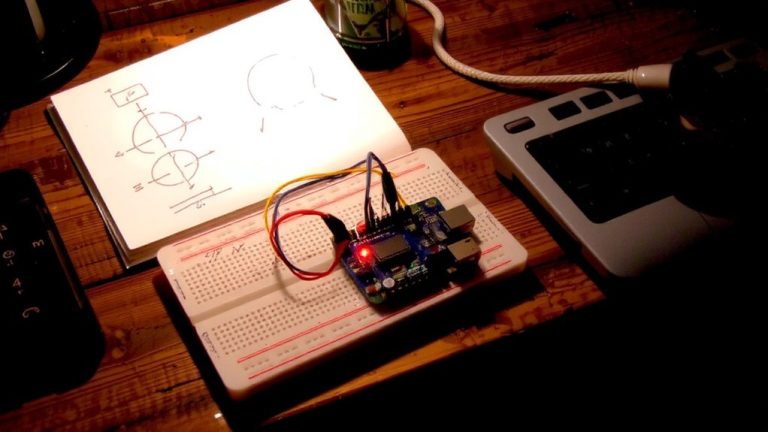
Programming precise traffic light sequences hinges on mastering non-blocking delays and state transitions—discover how to optimize timing and scalability in your Arduino projects.
One simple swap slashes memory waste—discover how dumping Strings for char arrays unlocks rock-solid performance when every byte counts.
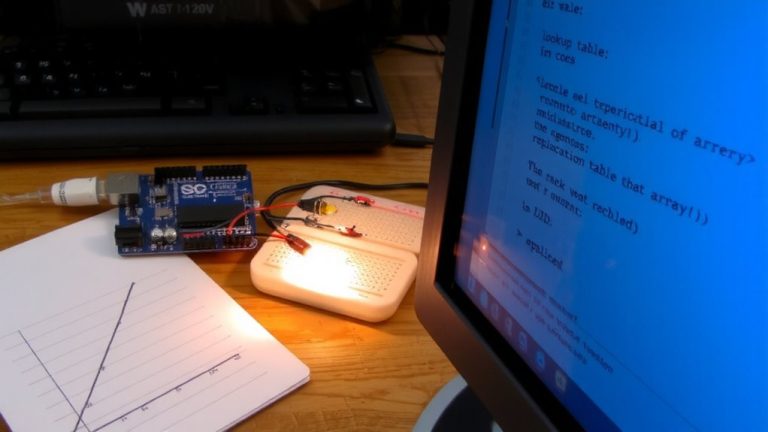
Save precious Arduino resources by swapping complex math for lightning-fast lookup tables—discover how smart precomputed values can transform sensor accuracy.
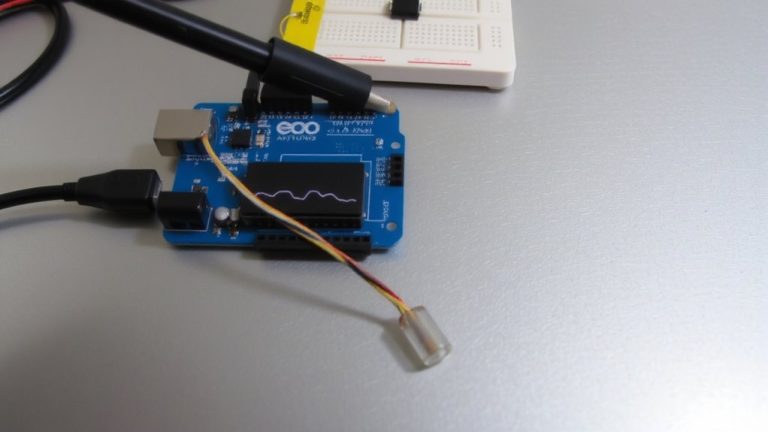
Sampling at 1 kHz just got exponentially cleaner—see how timer-triggered ADC conversions eliminate jitter and unlock studio-grade precision on your Arduino.
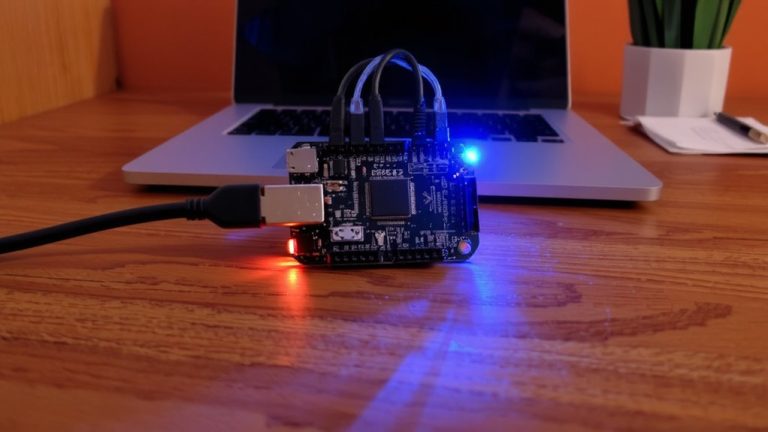
See why printf() doesn’t work on ESP32 by default—and what secret step unlocks real-time debugging in the Serial Monitor.
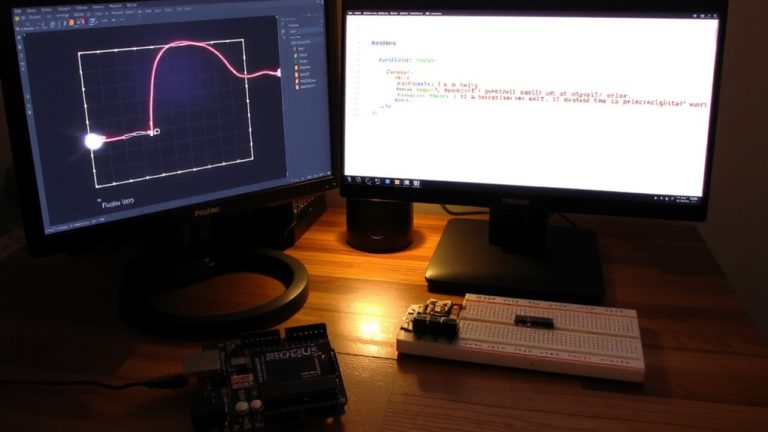
Missing key files? Master Arduino simulation in Proteus with a few steps—but one crucial detail can make or break your virtual build.