Generating Precise Timing Pulses With Arduino’s delayMicroseconds Function
Not all microseconds are created equal—discover why delayMicroseconds() fails for precise timing and what actually works.
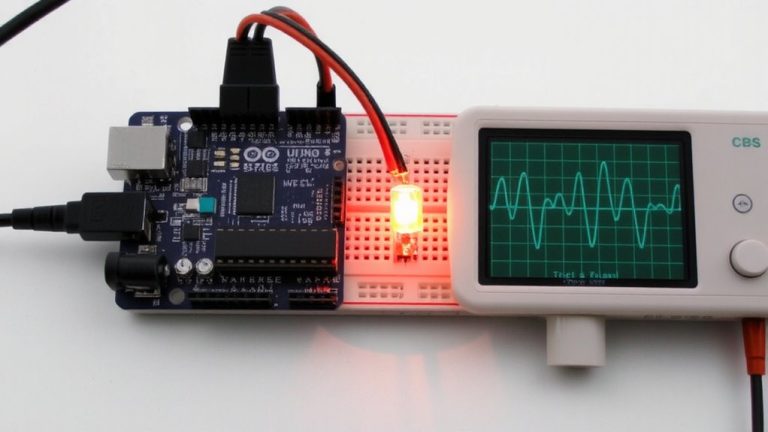
Not all microseconds are created equal—discover why delayMicroseconds() fails for precise timing and what actually works.
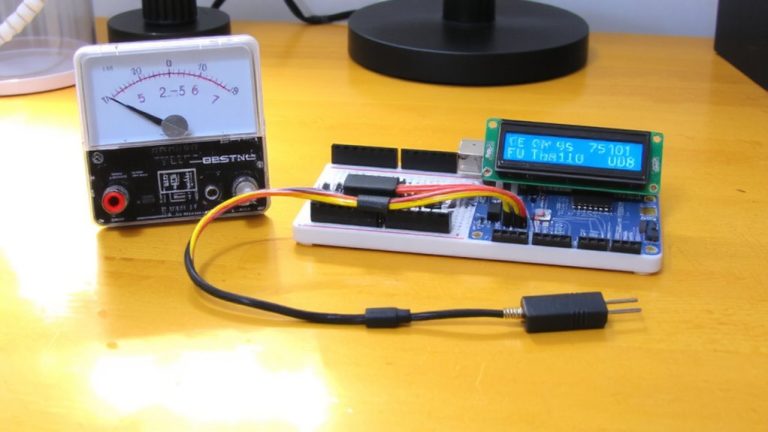
A single Arduino sketch can merge digital and analog inputs seamlessly—discover the timing trick professionals use to never miss a signal.
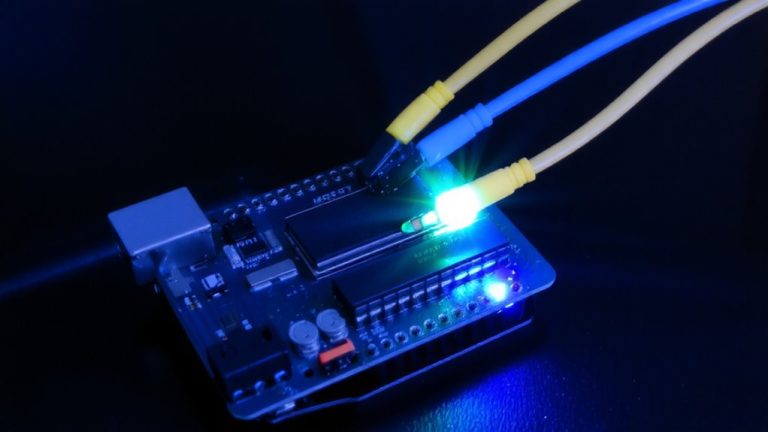
A clever workaround lets non-Mega Arduinos achieve dual UART—but only if you know the one pin that avoids data chaos.
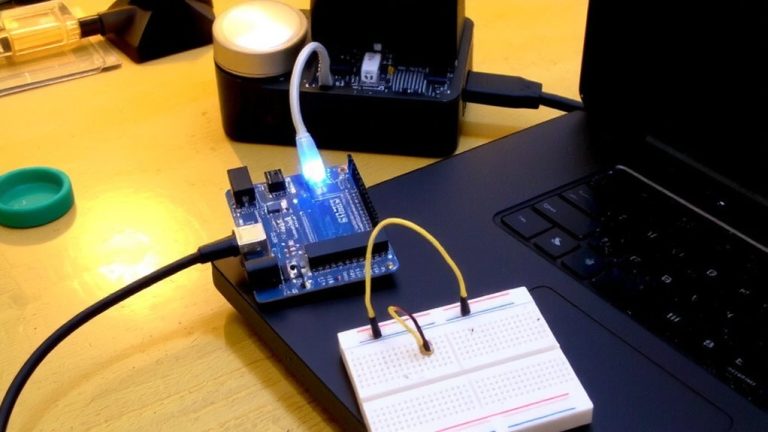
When your Arduino’s serial output turns into gibberish, one overlooked setting might be silently crippling your debug stream—discover the fix that restores clarity instantly.
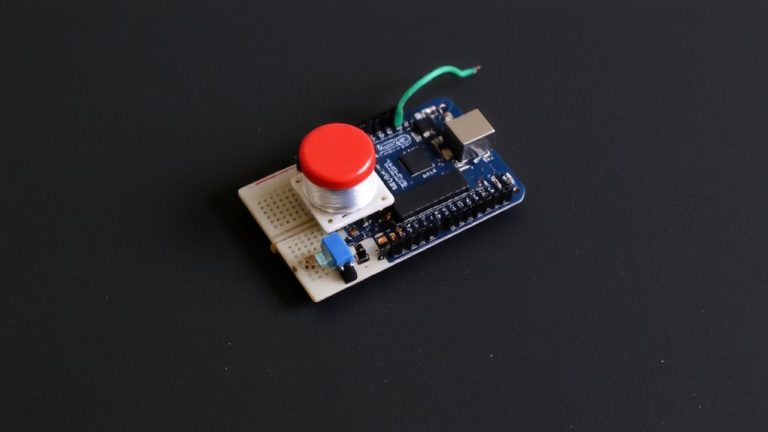
By skipping external resistors and using INPUT_PULLUP, you can simplify button wiring—but there’s a catch when going beyond 10 feet.
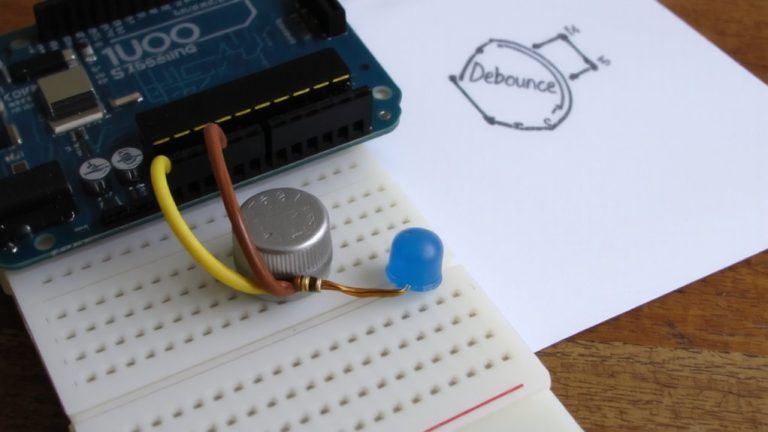
Glitches plague your switch inputs—discover how combining software delays, RC filters, and Schmitt triggers eliminates bounce for flawless Arduino performance.
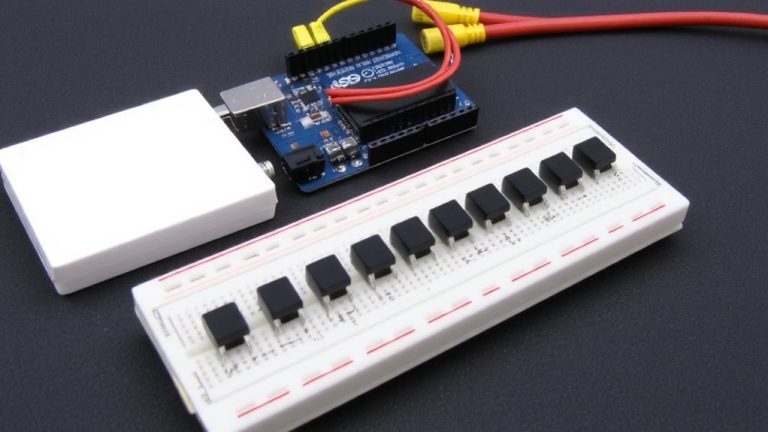
When driving solenoids with an Arduino, discover why a simple transistor fix prevents disaster—and what critical component everyone forgets until it’s too late.
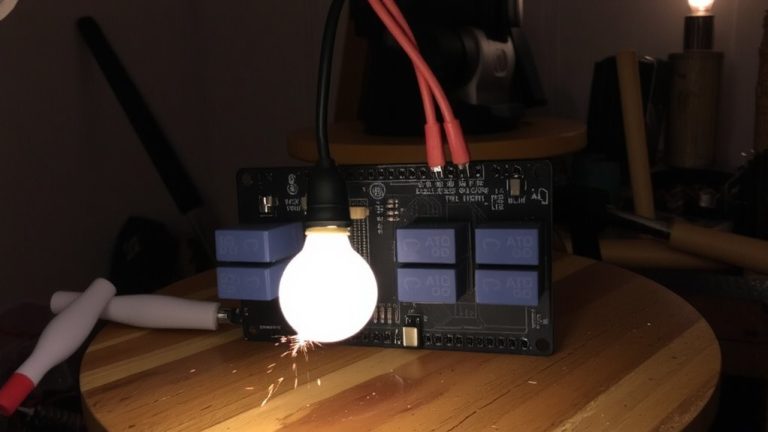
Be cautious when switching high-voltage devices with an Arduino—discover the critical wiring step that prevents damage and ensures long-term reliability.
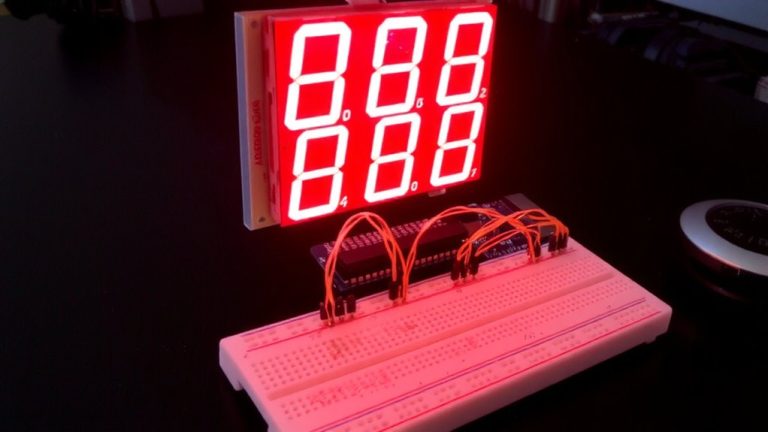
I saved 20 pins driving a 4-digit display—see how multiplexing with Arduino delivers crisp, bright results using just 12 I/Os.
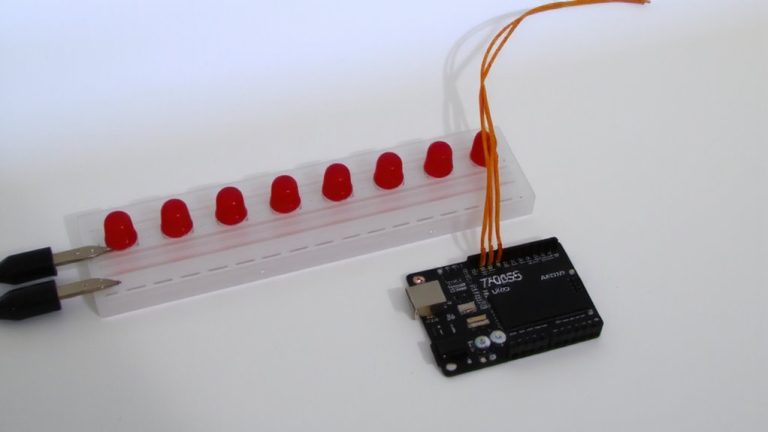
Know how to control 16, 24, or even more LEDs with just three Arduino pins—here’s the trick that unlocks seamless expansion effortlessly.