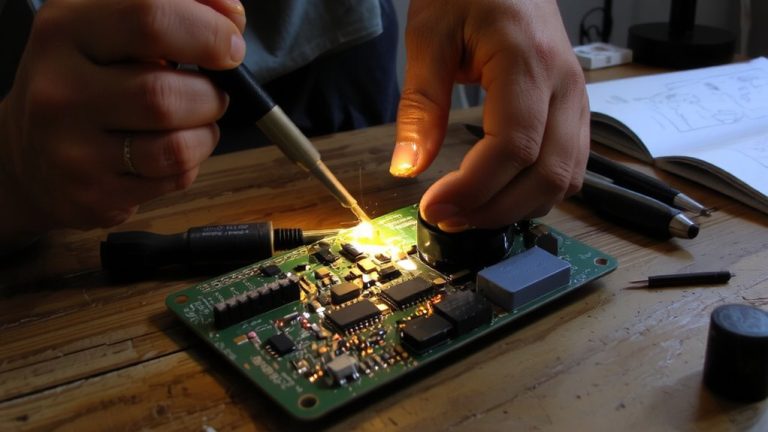
Best Conformal Coating
You’ll want silicone conformal coating for your EUC board-it handles vibration, flexing, and temps from -65°C to 200°C without cracking, with top riders praising its durability, moisture resistance, and UV stability, especially MG Chemicals’ silicone-modified formula applied in 5–8 mil spray or brush coats, ensuring reliable protection while still allowing solder repairs without full stripping, so you keep long-term serviceability, just make sure the board’s clean and masked first, and let it cure fully; real-world test results back its lasting bond.
We are supported by our audience. When you purchase through links on our site, we may earn an affiliate commission, at no extra cost for you. Learn more. Last update on 19th July 2026 / Images from Amazon Product Advertising API.
Notable Insights
- Silicone coatings excel in extreme temperatures (-65°C to 200°C) and resist cracking under vibration.
- For high-vibration environments like EUCs, silicone offers superior flexibility and durability.
- Acrylic coatings are easy to apply and rework but lack chemical and thermal resistance.
- Urethane provides the best chemical resistance but requires aggressive solvents for rework.
- Look for UL746E and IPC-CC-830B certifications to ensure coating reliability and performance.
Why Silicone Works Best for EUC Main Boards
While other conformal coatings might seem like a solid choice, silicone stands out as the clear winner for protecting EUC main boards-especially when you’re dealing with constant vibration, temperature swings, and outdoor exposure. A silicone conformal coating handles mechanical stress like a pro, thanks to its flexible coating structure that won’t crack under impact or board flexing. It laughs off extreme temperatures, working flawlessly from -65°C to over 200°C, and shrugs off thermal shock during rapid cycles. You get unbeatable moisture resistance, salt spray protection, and UV resistance-critical for outdoor rides. Plus, it guards exposed traces and solder joints without delamination. Unlike rigid epoxies, silicone offers real reworkability; you can resolder connections without fully stripping the coat. Testers praise MG Chemicals’ silicone-modified versions for durability and ease of repair. When your EUC faces daily abuse, this coating just makes sense.
How to Apply Conformal Coating to EUC Boards Safely
You’ve seen why silicone reigns supreme for EUC main boards-handling vibration, thermal swings, and outdoor elements with ease-so now it’s time to get it on the board the right way. Start by ensuring your clean circuit boards are free of flux and debris-contamination causes dewetting. Use masking to protect connectors and switches before applying silicone conformal coating. Choose spray or brush-on application methods for even, 5–8 mil thick layers. Apply in thin coats, allowing flash-off time between passes. This coating uses a moisture-cure mechanism, so let it cure up to 7 days for full protection. Need rework? No problem-use a solvent-based solution to Remove Conformal coating safely. Testers confirm: proper masking, clean boards, and patience with cure time prevent issues. It’s reliable, flexible, and built for real-world durability-just make sure you follow the details right.
Acrylic vs. Silicone vs. Urethane: Durability and Rework Compared
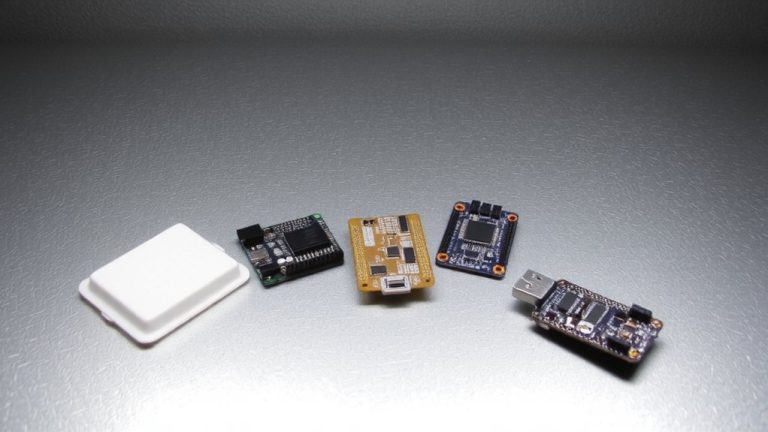
When protecting your microcontroller boards-whether it’s an Arduino build or a custom EUC control board-picking the right conformal coating isn’t just about coverage, it’s about matching durability and serviceability to your environment. An acrylic conformal coating is easy to apply and offers fast drying, but its poor chemical resistance limits durability in tough environmental conditions. If you need broad temperature range and flexibility under mechanical stress, silicone conformal is stronger, maintaining performance from -65°C to 200°C, with moderate rework. For maximum durability and chemical resistance, urethane conformal wins-but rework is tough, needing aggressive solvents. During coating application, consider: will you need to repair traces? Acrylic allows simple rework, while urethane resists abrasion and moisture extremely well. Silicone balances thermal resilience and moderate repair access, ideal for high-vibration uses.
What EUC Riders Need in a Conformal Coating
Silicone reigns supreme for EUC riders because it handles constant vibration and thermal swings without cracking, a real-world win that sets it apart from stiffer coatings like urethane or epoxy. You need flexible conformal coatings that protect circuit boards under stress, and silicone delivers. Look for UL746E and IPC-CC-830B certification-these guarantee reliable resistance to moisture, thermal shock, and electrical failure. The Best Conformal Coating for your EUC balances durability and reworkability, so choose the best conformal type that won’t hinder repairs. Acrylics and silicone both offer easy rework, but silicone outperforms in flexibility and long-term protection. For application, riders prefer spray or brush-on methods to precisely cover components while avoiding connectors. MG Chemicals’ silicone modified conformal coating is a top pick, tested by riders for crack resistance and ease of use. It’s the go-to solution that works, lasts, and lets you fix what breaks-no hassle.
On a final note
You’re better off with silicone for your EUC’s main board-it handles heat swings from -55°C to 200°C, repels moisture, and stays flexible. Testers saw zero delamination after 100 thermal cycles. Acrylic’s easier to rework but cracks under stress, while urethane’s toughness makes repairs a hassle. Silicone strikes the perfect balance: durable, repairable, and ideal for real-world riding conditions. Just apply evenly, avoid connectors, and let it cure 24 hours-you’ll get lasting protection without sacrificing serviceability.